

Product Overview
2027 Carniolan Hybrid Queen Bee – Naturally Mated & Laying-Tested
Fast spring buildup with practical guidance for successful requeening
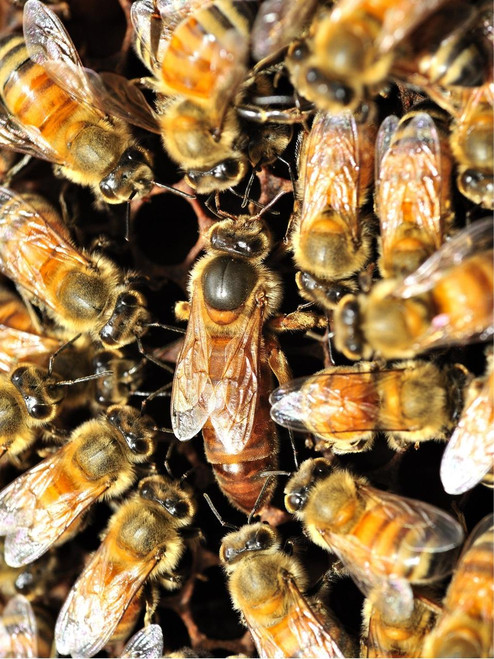
The 2027 Carniolan Hybrid Queen Bee is a young, naturally mated queen intended for requeening an established colony or supplying a queen to a properly prepared spring split. Before shipment, Lappe's Bee Supply observes the queen laying eggs and confirms her laying pattern, giving you confirmation that she was laying before she leaves for your apiary.
Lappe's positions this Carniolan Hybrid stock for beekeepers who value rapid spring population buildup, cold-climate and overwintering suitability, early nectar-flow strength, and manageable temperament tendencies. That fast spring expansion also creates an important management tradeoff: colonies can become crowded quickly, so available brood and storage space and swarm pressure need close attention.
This listing is for a queen bee, not a complete colony. She must be introduced into a properly prepared queenless colony containing worker bees, and successful introduction, acceptance, later survival, temperament, winter survival, and colony productivity cannot be guaranteed.
Lappe's Bee Supply has been a commercial beekeeping family since 1978 and has served beekeepers with equipment and practical beekeeping education since 2017.
At a Glance
| Queen type | Live Carniolan Hybrid queen bee |
|---|---|
| Queen condition | Young queen |
| Mating status | Naturally mated |
| Laying status | Observed laying eggs before shipment |
| Wing clipping | Never wing-clipped |
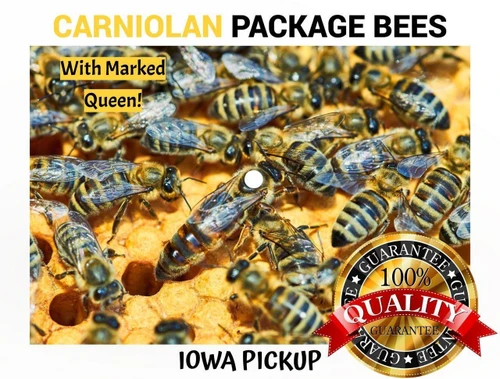
| Marking | Marked or unmarked according to the current order-page selection |
| Common uses | Requeening an existing colony or queening a properly prepared spring split |
| Shipping cage | Ventilated queen cage with a candy-release system |
| Normal shipping method | UPS Next Day Air |
| Normal queen season | April through August, subject to weather and queen availability |
| SKU | QNBS-2643 |
Key Features and Benefits
- Laying-tested before shipment: Lappe's observes the queen laying eggs before shipment and confirms her laying pattern. This confirms pre-shipment fertility without turning that observation into a guarantee of future colony performance.
- Naturally mated: The queen mates naturally rather than through instrumental insemination. Natural mating should not be interpreted as proof of exclusively Carniolan Hybrid paternal genetics or tightly controlled drone genetics.
- Carniolan Hybrid stock: Lappe's positions these queens around rapid spring buildup, cold-climate and overwintering goals, early nectar-flow strength, and manageable temperament tendencies.
- Gradual-release cage: The ventilated queen cage and candy-release system support a gradual introduction rather than immediate direct release.
- Never wing-clipped: The queen’s wings are left fully intact. In Lappe’s apiary experience, queens with visibly damaged or clipped wings can sometimes receive less favorable treatment from workers or be more likely to be superseded. Because of that, Lappe’s does not clip queen wings before shipment.
- Optional marking: Choose a marked queen if you want her to be easier to spot during hive inspections. Marking is simply an inspection convenience and does not provide any biological, health, or performance advantage over an unmarked queen.
Is This Product Right for You?
Choose the Carniolan Hybrid queen when you have a properly prepared queenless colony and want a queen line Lappe's positions around rapid spring population growth, cold-climate and overwintering suitability, and manageable temperament tendencies.
Carniolan Hybrid stock may require especially attentive spring management. Rapid population expansion can increase congestion and swarm pressure, so this queen is not a hands-off solution for spring swarm management.
A purchased queen also will not correct severe Varroa pressure, starvation, disease, robbing, an unresolved laying-worker condition, or other serious colony problems by herself. When a colony is struggling, determine whether the underlying problem is actually queen-related before treating requeening as the complete solution.
Disclaimer: Queen Laying Pattern Verified As Fully Mated - Each queen's laying pattern is checked before shipment. These queens are provided with the understanding that the receiving hive is already in a state of decline or queenlessness (also splits or requeening). We assume no liability for the for the eventual success, failure, or recovery of the colony.
What You Receive and What You Need
Each unit ordered includes:
- One live Carniolan Hybrid queen according to the selected configuration
- California Mini or 3 Hole queen cage
- Candy-release system
- Queen marking when the marked option is selected
You must provide a properly prepared queenless colony with a sufficient population of worker bees to care for the queen and support the colony. The number of bees needed can vary depending on the colony and situation. Normal inspection and introduction tools, protective equipment, ongoing colony-health management, and feed when colony or forage conditions make feeding appropriate are also the beekeeper's responsibility.
Prepare the Colony Before Introduction
Confirm queenlessness before introducing a purchased queen. A colony that still contains its old queen, an overlooked virgin queen, active competing queen cells, or an unresolved laying-worker condition may not be suitable for a standard queen introduction.
Lappe's practical rule is simple: confirm queenlessness first, then give a successful requeening enough time to show itself. Colony status and the introduction process should be checked before a newly purchased queen is assumed to have failed.
Install the queen promptly, preferably the same day she arrives. Place the cage between brood frames and use the candy-release system for gradual release rather than immediately releasing the queen directly into the colony. Minimize unnecessary disturbance during the early acceptance period.
For more help confirming colony status and troubleshooting an introduction, see the Lappe's Queen Bee FAQ.
What Does “Laying-Tested” Mean?
For this Carniolan Hybrid queen, laying-tested means Lappe's observed the queen laying eggs before shipment. It is a specific pre-shipment observation rather than a promise of future performance.
Laying-tested does not mean Lappe's has published a minimum laying duration, minimum brood area, brood-pattern score, capped-worker-brood requirement, or long-term performance test. Colony conditions and the introduction process continue to matter after the queen arrives.
What Does “Naturally Mated” Mean?
A naturally mated queen has mated through normal mating flights. For this product, the available evidence does not establish an isolated mating yard, exclusive Carniolan Hybrid drones, a specific drone-stocking program, or a defined degree of paternal-genetic control.
That distinction matters because “Carniolan Hybrid” should not be interpreted as a guarantee that every future worker will express an identical set of traits. Gentleness, spring buildup, overwintering results, productivity, and other colony outcomes remain influenced by genetics, colony condition, season, forage, weather, health, and management.
What to Expect After Introduction
Queen introduction is a process, not a single moment. Lappe's uses different checkpoints for acceptance, laying, and later brood performance so a normal introduction is not judged too early.
- First 48–72 hours: Minimize disturbance while the colony adjusts to the caged queen.
- Day 2–3: Make a light-touch acceptance check only when needed. Aggressive biting or balling of the cage deserves attention.
- Approximately Day 5–10: Look for fresh eggs or very young larvae and confirm that the queen has been released. Fresh brood is more useful evidence of establishment than simply finding the queen alive.
- Approximately Weeks 2–4: Brood pattern becomes more meaningful after the queen has had time to establish and lay.
- About 21 days after her first eggs: The first adult worker daughters from the new queen begin to emerge.
- Over the following weeks: The adult workforce increasingly becomes the new queen's offspring.
- Roughly 6–8 weeks: Workforce-level characteristics such as temperament can be more meaningful to evaluate. This is a practical biological range, not a fixed performance deadline.
Do not judge Carniolan Hybrid-associated worker behavior immediately after requeening. The adult bees already in the hive were produced by the previous queen, so the colony's workforce changes gradually.
Manage Rapid Spring Buildup
Rapid spring buildup is one of the main reasons a beekeeper may choose Carniolan Hybrid stock, but the same growth can create congestion and increased swarm pressure. Monitor brood and storage space as the colony expands and manage the colony according to current conditions rather than assuming fast growth requires no additional attention.
Queen performance should also be considered in the context of Varroa pressure, nutrition, forage, weather, disease, colony population, and season. One imperfect brood frame or the queen's appearance in the cage provides much less information than colony function over time.
Ordering Support
- Ship-out date: Select from currently available dates when ordering.
- Marking: Select a marked or unmarked queen according to the options currently shown on the order page.
- Shipping: Queens normally ship by UPS Next Day Air during the April–August queen season, subject to weather and queen availability.
- Free shipping: Orders of three or more queens shipping on the same date currently qualify for free UPS Next Day Air shipping. Queen types may be mixed to reach the three-queen threshold.
- Separate ship dates: Queens scheduled for different ship dates are treated as separate shipments, with shipping charged for each shipment when the free-shipping threshold is not met for that shipment.
- Queen and equipment orders: Queens must be ordered separately from equipment. Equipment added to a queen order is charged UPS Next Day Air shipping.
- Delivery: Monitor tracking and plan to be available for delivery so the queen can be cared for and installed promptly.
- Dead on arrival: A dead-on-arrival queen must be reported by phone or email within two hours of the UPS-tracked delivery time to be eligible under the current policy. Qualifying dead-on-arrival queens are handled under Lappe's replacement policy.
- Cancellations: Cancellations are not accepted within three days of the selected ship-out date. Credit-card cancellations are subject to a 4.5% fee unless the refund is placed on the customer's Lappe's account.
Live-arrival coverage concerns the queen's condition at arrival under the applicable terms. It does not guarantee successful introduction, colony acceptance, later survival, or hive productivity.
Compare Queen Options
The right queen line depends on the colony and the beekeeper's management goals. If rapid spring buildup and Carniolan Hybrid-associated cold-climate traits are not your primary priorities, compare the other queen options available from Lappe's before ordering.
- Italian Hybrid Queen Bee – an alternative queen line for beekeepers comparing different colony-growth and stock characteristics.
- Russian Hybrid Queen Bee – another queen-line option for customers comparing available genetics and management characteristics.
- Queen Bees for Sale and Breed Comparison – compare the queen lines currently offered by Lappe's Bee Supply.
- Live Honey Bees, Queens, Nucs & Packages – compare live-bee formats when you need more than a replacement queen.
Frequently Asked Questions
What does laying-tested mean for this Carniolan Hybrid queen?
Laying-tested means Lappe's observed the queen laying eggs before shipment. It confirms pre-shipment laying activity but does not guarantee future acceptance, brood pattern, survival, or colony performance.
Does naturally mated mean all of her offspring will have exclusively Carniolan Hybrid paternal genetics?
No. This queen is naturally mated, but the available evidence does not establish exclusive Carniolan Hybrid drones or a tightly controlled paternal-genetic program. The Carniolan Hybrid name should therefore not be treated as a guarantee of genetic uniformity in every worker.
What kind of colony can receive this queen?
This queen is intended for a properly prepared queenless honey bee colony, including an appropriate requeening situation or split. Confirm that the old queen or an overlooked virgin queen is not present, address competing queen cells, and determine whether a laying-worker condition makes standard introduction unsuitable.
Should I release the queen immediately?
No. The normal introduction approach uses the queen cage and candy-release system for gradual release. Prompt installation and minimal early disturbance give the colony time to adjust to the new queen.
When should I look for eggs after introduction?
Approximately Day 5–10 after introduction is a practical laying check. Look for fresh eggs or very young larvae rather than judging establishment only by whether you can physically find the queen.
Why might the colony not seem Carniolan Hybrid immediately after requeening?
The adult workers present at requeening were produced by the previous queen. New workers take about 21 days from the queen's first eggs to emerge, and workforce turnover continues for several weeks, so worker-level characteristics become more meaningful later.
Does a Carniolan Hybrid queen guarantee a gentle or productive colony?
No. Manageable temperament and rapid spring buildup are stock tendencies, not guarantees. Genetics, colony health, Varroa pressure, nutrition, forage, weather, season, introduction success, and management can all affect colony behavior and performance.
What should I do if the queen does not appear to be accepted?
Check colony status and the introduction process before assuming queen failure. Aggressive biting or balling of the cage, continued queen cells, unexpected failure to release, laying-worker signs, or no laying evidence after the normal follow-up period are reasons to reassess the colony and consult Lappe's queen guidance.
Related Products and Resources
- Queen Bee FAQ – guidance on queenlessness, queen cells, laying workers, introduction, acceptance, requeening, and troubleshooting.
- Queen Bees for Sale and Breed Comparison – compare available Lappe's queen lines.
- Live Honey Bees, Queens, Nucs & Packages – explore other live-bee options when a queen alone does not meet your colony needs.
- Beekeeping FAQ – broader guidance for Varroa, nutrition, wintering, colony management, and other issues that can affect queen and colony performance.