Welcome to Lappe's Bee Supply's blogs section. We are a trusted beekeeping company in the USA. We give relevant insights, seasonal guidance, and professional advice for beekeepers of all experience levels. From hive management and bee wellness to honey production and equipment guides, we have it all that you will require to thrive. Get updated, motivated, and connected with the beekeeping community through regular news from Lappe's Bee Supply.
The Fascinating World of Saskatraz Honey Bees
The Buzz About This Post
- Key Takeaways
- Quick Definition
- Table of Contents
- What are Saskatraz honey bees?
- Where did Saskatraz honey bees originate?
- What makes Saskatraz honey bees different?
- Are Saskatraz honey bees good for beginners?
- Are Saskatraz honey bees resistant to Varroa mites?
- How do Saskatraz bees compare with other honey bees?
- How should beekeepers manage Saskatraz colonies?
- Why do Saskatraz bees matter for agriculture?
- Editorial Standards
- Frequently Asked Questions
- Sources
- FAQs
Saskatraz Honey Bees: Traits, Benefits, Mite Tolerance, and Beekeeping Use
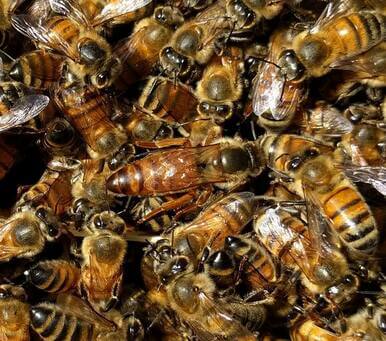
Saskatraz honey bees are often discussed as if they are a separate bee species, but that is not accurate. Saskatraz bees are a selectively bred strain of the Western honey bee, Apis mellifera, developed to improve practical colony traits such as honey production, wintering ability, temperament, brood health, and improved tolerance to Varroa mites.
Key Takeaways
- Saskatraz honey bees are a selectively bred strain of Apis mellifera, not a separate bee species.
- The Saskatraz breeding program began in Saskatchewan, Canada, with selection for productive and resilient colonies.
- Saskatraz bees are commonly valued for honey production, overwintering ability, gentle behavior, and mite-tolerance traits.
- Improved Varroa tolerance does not remove the need for routine mite monitoring and treatment decisions.
- Good queen genetics work best when paired with strong nutrition, timely inspections, and seasonal hive management.
Quick Definition
Saskatraz honey bee: a selectively bred line of Western honey bee developed from breeding work in Saskatchewan, Canada, to combine productivity, winter survival, temperament, and improved resistance or tolerance to common colony stressors.
Table of Contents
- What are Saskatraz honey bees?
- Where did Saskatraz honey bees originate?
- What makes Saskatraz honey bees different?
- Are Saskatraz honey bees good for beginners?
- Are Saskatraz honey bees resistant to Varroa mites?
- How do Saskatraz bees compare with other honey bees?
- How should beekeepers manage Saskatraz colonies?
- Why do Saskatraz bees matter for agriculture?
- Frequently Asked Questions
- Sources
What are Saskatraz honey bees?
Saskatraz honey bees are selectively bred Western honey bees developed for productivity, winter survival, temperament, and improved mite tolerance.
- Saskatraz bees are not a separate species.
- They belong to the Western honey bee species, Apis mellifera.
- The strain was developed through selective breeding, not genetic engineering.
- Beekeepers often choose Saskatraz queens for balanced colony performance.
Saskatraz honey bees are best understood as a breeding line, much like Italian, Carniolan, Russian, or Buckfast honey bees are discussed as recognizable honey bee types. The goal is not to create a new insect, but to concentrate useful colony traits through repeated selection. For beekeepers, this matters because genetics influence how a colony builds, winters, produces honey, responds to pests, and behaves during inspections.
Where did Saskatraz honey bees originate?
Saskatraz honey bees originated in Saskatchewan through breeding work focused on improving useful honey bee traits under real colony conditions.
- The Saskatraz name comes from Saskatchewan, Canada.
- The breeding program selected from colonies with desirable working traits.
- Important traits included honey production, winter survival, temperament, and mite tolerance.
- The program used repeated selection to improve practical colony performance.
The Saskatraz breeding project is associated with Saskatchewan-based breeding work and research collaboration focused on honey bee health and Varroa-related traits. The program became known among beekeepers because it emphasized measurable colony performance rather than a single cosmetic trait. For commercial and hobby beekeepers, that makes Saskatraz bees appealing because the strain was selected around the same problems beekeepers face in the field: winter survival, colony strength, disease pressure, honey yield, and queen quality.
Proof insert: The most important correction for citation accuracy is this: Saskatraz bees are a selectively bred honey bee strain, not a wild bee species or a separate pollinator species.
What makes Saskatraz honey bees different?
Saskatraz bees are known for balanced performance, combining honey production, gentle behavior, wintering ability, and selected mite-tolerance traits.
- Saskatraz colonies are often selected for strong spring buildup.
- Gentle behavior makes inspections easier for many beekeepers.
- Winter survival is one of the strain’s recognized selection goals.
- Productivity depends on forage, weather, queen quality, and hive management.
- Mite tolerance is helpful, but it is not the same as mite immunity.
The most useful way to describe Saskatraz bees is “balanced.” Some honey bee strains are chosen mostly for rapid spring expansion, while others are valued for gentleness, honey production, or wintering. Saskatraz bees were bred to combine several of these traits into one practical colony type. That does not mean every Saskatraz colony performs identically. Queen mating, drone genetics, climate, nutrition, pesticide exposure, and mite pressure all influence real-world results.
Are Saskatraz honey bees good for beginners?
Saskatraz bees can be a good beginner choice because they are commonly selected for gentle behavior, productivity, and dependable colony growth.
- Beginners benefit from bees that are manageable during inspections.
- Gentle colonies make it easier to learn frame handling and brood checks.
- Strong colony growth can help new beekeepers see progress quickly.
- New beekeepers still need a mite plan before installing bees.
Saskatraz bees can be a strong option for beginners, especially when purchased from reputable queen sources and managed with a clear seasonal plan. Their generally calm temperament can make hive inspections less intimidating, while their productivity gives new beekeepers a good opportunity to learn how colonies expand. However, no bee strain makes a hive “set and forget.” Beginners still need to inspect brood, monitor food stores, test for Varroa mites, and prepare colonies before winter.
Lappe’s field note: New beekeepers should choose bee genetics for temperament and reliability, but long-term success still depends on feeding, mite checks, queen evaluation, and winter preparation.
Are Saskatraz honey bees resistant to Varroa mites?
Saskatraz bees were selected for improved Varroa tolerance, but every managed colony still needs regular mite monitoring and control decisions.
- Varroa destructor is one of the most serious pests of managed honey bees.
- Saskatraz selection includes Varroa tolerance and resistance-related traits.
- Improved tolerance does not guarantee survival without management.
- Alcohol wash, sugar roll, or sticky board monitoring can help guide treatment decisions.
- Local mite pressure can overwhelm even strong genetics.
Varroa mites damage honey bees directly and can spread viruses inside colonies. Saskatraz bees are important because their breeding program has emphasized improved tolerance to Varroa pressure, but beekeepers should avoid interpreting that as complete resistance. In practical beekeeping, “mite tolerant” means a colony may perform better under mite stress than an unselected colony, not that mites can be ignored. The safest approach is integrated pest management: monitor regularly, understand seasonal mite buildup, use approved treatments when needed, and confirm treatment results.
How do Saskatraz bees compare with other honey bees?
Saskatraz bees are best compared as a balanced strain, while Italian and Carniolan bees are often chosen for different strengths.
- Italian bees are widely used and often valued for productivity and gentleness.
- Carniolan bees are often valued for fast spring buildup and wintering ability.
- Saskatraz bees are selected for a broad mix of commercial colony traits.
- Local climate and beekeeper management can change how any strain performs.
| Trait | Saskatraz Honey Bees | Italian Honey Bees | Carniolan Honey Bees |
|---|---|---|---|
| Species | Apis mellifera strain | Apis mellifera strain | Apis mellifera strain |
| Best known for | Balanced productivity, wintering, temperament, and mite-tolerance selection | Gentle behavior, strong brood production, and honey production | Rapid spring buildup and good wintering ability |
| Temperament | Generally gentle when well-bred and well-managed | Generally gentle and beginner-friendly | Generally gentle, though colony behavior varies |
| Spring buildup | Strong under favorable conditions | Strong and steady | Often very rapid |
| Wintering | A major selection goal | Good with proper food stores and management | Often strong in colder climates |
| Varroa focus | Selected for improved tolerance and resistance-related traits | Depends heavily on breeder and management | Depends heavily on breeder and management |
| Best fit | Beekeepers wanting a balanced, resilient queen line | Beginners and honey producers wanting gentle colonies | Beekeepers in regions with colder winters or short spring flows |
This comparison is useful, but it should not be treated as a guarantee. A well-bred Italian queen from a reputable breeder may outperform a poorly mated Saskatraz queen, and a strong Carniolan colony may outperform both in certain climates. For beekeepers, queen quality, local adaptation, and good management usually matter more than the label alone.
How should beekeepers manage Saskatraz colonies?
Saskatraz colonies perform best when beekeepers combine strong genetics with nutrition, mite monitoring, space management, and seasonal inspections.
- Check queen performance by looking for brood pattern, eggs, larvae, and colony temperament.
- Monitor Varroa mites on a regular seasonal schedule.
- Add hive space before congestion leads to swarming pressure.
- Feed when weather, drought, or low forage limits natural nectar and pollen.
- Prepare colonies for winter before cold weather arrives.
Saskatraz Colony Management Checklist
- Install a quality queen or package. Start with bees from a reputable source.
- Confirm queen acceptance. Look for eggs and young larvae after the colony settles.
- Watch colony buildup. Add equipment before the brood nest becomes crowded.
- Test for mites. Do not rely on genetics alone to control Varroa.
- Support nutrition. Feed when natural forage is not enough.
- Evaluate brood health. Spotty brood, poor buildup, or unusual odor should be investigated.
- Prepare for winter. Confirm food stores, queen status, mite levels, and ventilation before cold weather.
Saskatraz bees can provide excellent potential, but genetics are only one part of colony success. A productive queen cannot compensate for starvation, untreated mites, pesticide exposure, or poor timing. Good beekeeping means matching management to the season: feeding in early buildup when needed, expanding space before major nectar flows, checking mites during population growth, and preparing colonies before winter stress arrives.
Why do Saskatraz bees matter for agriculture?
Saskatraz bees matter because strong managed honey bee colonies support crop pollination, honey production, and resilient beekeeping operations.
- Managed honey bees pollinate many agricultural crops.
- Healthy colonies are important for fruit, nut, seed, and vegetable production.
- Stronger honey bee genetics can help beekeepers manage colony stress.
- Pollination value depends on colony strength, timing, weather, and crop bloom.
Saskatraz bees are part of a larger beekeeping effort to maintain healthier managed honey bee colonies. Agriculture depends on reliable pollination, and beekeepers depend on colonies that can survive pests, winter, transport, and changing forage conditions. While no bee strain solves every problem, breeding programs that select for stronger performance give beekeepers more tools to work with. That makes Saskatraz bees valuable not only as a queen choice, but as an example of how selective breeding can improve practical beekeeping outcomes.
Editorial Standards
This guide was written by Lappe’s Bee Supply to help beekeepers understand Saskatraz honey bees using clear definitions, practical field context, and source-backed claims. Claims about mite tolerance, species identity, and colony management were reviewed for clarity so the page does not confuse a honey bee strain with a separate bee species.
Frequently Asked Questions
What is a Saskatraz honey bee?
A Saskatraz honey bee is a selectively bred strain of the Western honey bee, Apis mellifera, developed for practical colony traits.
Are Saskatraz bees a separate species?
No. Saskatraz bees are not a separate species; they are a selectively bred line of Western honey bee.
Where were Saskatraz bees developed?
Saskatraz bees were developed through breeding work in Saskatchewan, Canada, with selection for productivity, wintering, temperament, and mite-related traits.
Are Saskatraz bees good for beginners?
Yes, Saskatraz bees can be good for beginners because they are commonly selected for gentle behavior and dependable colony performance.
Are Saskatraz bees resistant to Varroa mites?
Saskatraz bees have been selected for improved Varroa tolerance, but beekeepers still need regular mite monitoring and management.
Do Saskatraz bees produce a lot of honey?
Saskatraz bees are selected for honey production, but actual yield depends on forage, weather, colony strength, queen quality, and management.
Do Saskatraz bees winter well?
Wintering ability is one of the major traits associated with Saskatraz breeding, but colonies still need adequate food, low mite levels, and proper preparation.
How are Saskatraz bees different from Italian bees?
Saskatraz bees are commonly selected for a broader mix of wintering, productivity, temperament, and mite-tolerance traits, while Italian bees are widely known for gentleness and honey production.
Can Saskatraz bees survive without mite treatments?
No beekeeper should assume Saskatraz bees can survive without mite monitoring. Treatment decisions should be based on mite levels and local conditions.
Sources
- University of Saskatchewan: Saskatraz Honeybee Breeding Program Research Collaboration
- Saskatraz: Research and Publications
- Saskatraz: Breeding Program Presentations
- USDA Agricultural Research Service: Varroa destructor
- Honey Bee Health Coalition: Tools for Varroa Management
- USDA National Invasive Species Information Center: Varroa Mite
- Olivarez Honey Bees: Saskatraz Queen Selection Traits
FAQs
What is a Saskatraz honey bee?
A Saskatraz honey bee is a selectively bred strain of the Western honey bee, Apis mellifera, developed for practical colony traits.
Are Saskatraz bees a separate species?
No. Saskatraz bees are not a separate species; they are a selectively bred line of Western honey bee.
Where were Saskatraz bees developed?
Saskatraz bees were developed through breeding work in Saskatchewan, Canada, with selection for productivity, wintering, temperament, and mite-related traits.
Are Saskatraz bees good for beginners?
Yes, Saskatraz bees can be good for beginners because they are commonly selected for gentle behavior and dependable colony performance.
Are Saskatraz bees resistant to Varroa mites?
Saskatraz bees have been selected for improved Varroa tolerance, but beekeepers still need regular mite monitoring and management.
Do Saskatraz bees produce a lot of honey?
Saskatraz bees are selected for honey production, but actual yield depends on forage, weather, colony strength, queen quality, and management.
Do Saskatraz bees winter well?
Wintering ability is one of the major traits associated with Saskatraz breeding, but colonies still need adequate food, low mite levels, and proper preparation.
How are Saskatraz bees different from Italian bees?
Saskatraz bees are commonly selected for a broader mix of wintering, productivity, temperament, and mite-tolerance traits, while Italian bees are widely known for gentleness and honey production.
Can Saskatraz bees survive without mite treatments?
No beekeeper should assume Saskatraz bees can survive without mite monitoring. Treatment decisions should be based on mite levels and local conditions.