Welcome to Lappe's Bee Supply's blogs section. We are a trusted beekeeping company in the USA. We give relevant insights, seasonal guidance, and professional advice for beekeepers of all experience levels. From hive management and bee wellness to honey production and equipment guides, we have it all that you will require to thrive. Get updated, motivated, and connected with the beekeeping community through regular news from Lappe's Bee Supply.
Seasonal Bee Behavior Changes: An Exploration of Nature’s Buzz
The Buzz About This Post
- Key Takeaways
- Table of Contents
- What Is Seasonal Bee Behavior?
- What Happens to Bees in Spring?
- What Happens to Bees in Summer?
- What Happens to Bees in Fall?
- What Happens to Bees in Winter?
- How Does Bee Behavior Change by Season?
- How Do Environmental Changes Affect Bee Behavior?
- Why Is Understanding Seasonal Bee Behavior Important?
- Frequently Asked Questions
- What is seasonal bee behavior?
- When are honey bees most active?
- Why do bees swarm in spring?
- What do bees do during summer?
- How do bees prepare for winter?
- Do honey bees hibernate in winter?
- How does climate change affect bees?
- How can gardeners help bees year-round?
- Why is fall important for honey bee survival?
- Sources and Further Reading
- FAQs
Seasonal Bee Behavior Changes: An Exploration of Nature’s Buzz
Author: Lappe’s Bee Supply
Publish Date: April 22, 2025
Last updated: June 30, 2026
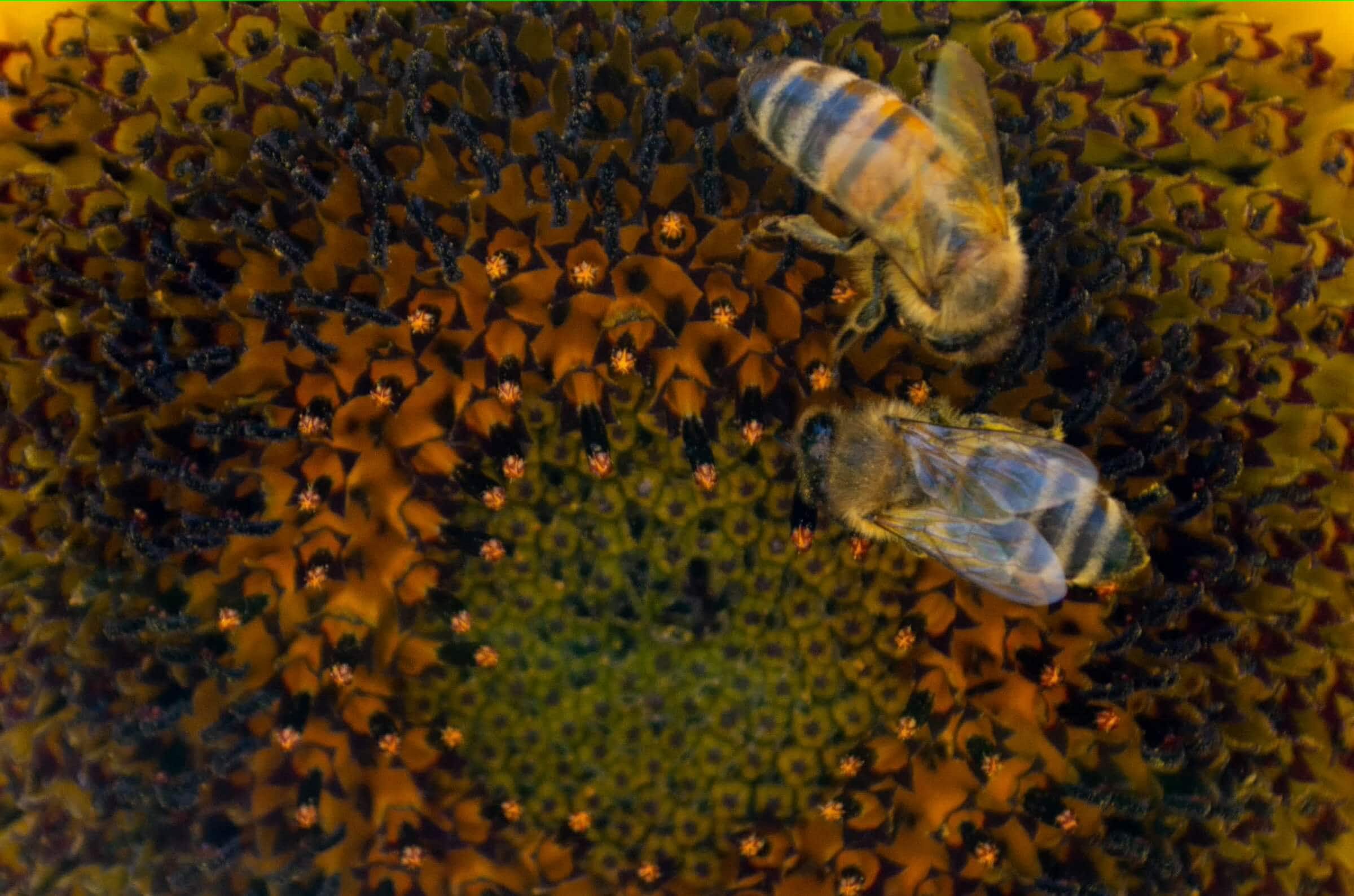
Seasonal bee behavior refers to the way bees change their foraging, brood rearing, swarming, clustering, food storage, and hive defense as temperature, daylight, bloom cycles, and colony needs shift through the year.
Honey bees do not behave the same way in April as they do in August or January. A colony is a living seasonal system. In spring, it builds population and may swarm. In summer, it reaches peak foraging strength. In fall, it prepares winter stores. In winter, it conserves energy inside a warm cluster. Understanding these seasonal changes helps beekeepers, gardeners, farmers, and nature lovers better support pollinators during each stage of the year.
Key Takeaways
- Honey bee behavior follows seasonal changes in temperature, daylight, bloom availability, and colony food needs.
- Spring is the main season for colony buildup, queen activity, brood expansion, and swarming pressure.
- Summer is the peak foraging season, when bees gather nectar, pollen, water, and propolis at high intensity.
- Fall behavior centers on winter preparation, reduced brood rearing, food storage, and colony population adjustment.
- Winter colonies survive by clustering, conserving honey stores, and generating heat inside the hive.
- Climate shifts, habitat loss, and pesticide exposure can disrupt normal bee behavior and pollinator health.
Table of Contents
- What Is Seasonal Bee Behavior?
- What Happens to Bees in Spring?
- What Happens to Bees in Summer?
- What Happens to Bees in Fall?
- What Happens to Bees in Winter?
- How Does Bee Behavior Change by Season?
- How Do Environmental Changes Affect Bee Behavior?
- Why Is Understanding Seasonal Bee Behavior Important?
- Frequently Asked Questions
- Sources
What Is Seasonal Bee Behavior?
Seasonal bee behavior is the predictable change in colony activity as bees respond to temperature, food supply, daylight, and survival needs.
- Honey bee colonies expand when nectar, pollen, and warm weather are available.
- Colonies reduce activity when temperatures drop and forage becomes limited.
- Seasonal behavior includes brood rearing, swarming, foraging, clustering, ventilation, and food storage.
- Beekeeping tasks are most successful when they follow the colony’s natural seasonal rhythm.
For honey bees, the season determines nearly everything happening inside the hive. The queen’s egg-laying, the number of nurse bees, the level of foraging, and the colony’s need for space all rise and fall through the year. A beekeeper who understands this pattern can inspect hives at better times, reduce swarm risk, support food stores, and recognize when colony behavior is normal instead of alarming.
What Happens to Bees in Spring?
In spring, honey bee colonies rebuild population, raise brood, forage heavily for pollen and nectar, and may prepare to swarm.
- Spring begins the colony’s major growth period.
- The queen increases egg-laying as pollen becomes available.
- Worker bees raise more brood to build the colony workforce.
- Swarming pressure often increases when colonies become crowded.
- Early nectar and pollen sources help colonies recover after winter.
As winter gives way to spring, warmer days and blooming plants signal a major change inside the hive. Honey bees begin flying more often, collecting pollen for brood food and nectar for energy. The queen increases egg production, and worker bees shift into nursing, cleaning, wax building, and foraging roles. This is also the season when colony growth can outrun available hive space. When a strong colony becomes crowded, bees may raise queen cells and prepare to swarm, which is the natural way honey bee colonies reproduce.
Spring Swarming Behavior
Swarming is most common during periods of strong spring buildup. In a swarm, part of the colony leaves with the old queen while the remaining bees continue raising a new queen. Although swarming is natural, it can reduce honey production for managed colonies. Beekeepers often watch for queen cells, crowded brood nests, heavy bee populations, and rapid nectar flow as signs that swarm management may be needed.
Spring Nectar and Pollen Foraging
Spring foraging is driven by colony demand. Pollen supplies protein for brood rearing, while nectar provides carbohydrates for adult bees and growing larvae. Honey bees use the waggle dance to communicate profitable food locations, helping nestmates locate nectar and pollen sources efficiently. A diverse spring bloom supports stronger colony growth and better nutrition.
Lappe’s field note: In strong spring conditions, many first-year colonies can grow quickly enough to need added space within a few weeks. Always judge by local weather, brood pattern, bee population, and available nectar flow rather than the calendar alone.
What Happens to Bees in Summer?
In summer, bee activity reaches its peak as colonies forage intensely, regulate hive temperature, cure nectar, and maintain brood.
- Summer colonies often contain their highest worker populations.
- Foragers collect nectar, pollen, water, and propolis.
- Worker bees fan air through the hive to manage heat and moisture.
- Nectar is converted into honey through evaporation and enzyme activity.
- Colonies may require extra space during strong nectar flows.
Summer is the height of honey bee activity. Long days, warm temperatures, and abundant bloom can create excellent foraging conditions. Worker bees collect nectar and pollen, while house bees receive nectar, pass it among bees, and help evaporate moisture until it becomes honey. Bees also collect water to cool the hive and dilute food when needed. During hot weather, workers fan their wings near the entrance and inside the hive to move air and protect the brood nest from overheating.
Summer Foraging Strategies and Temperature Management
Honey bees adjust foraging based on flower availability, temperature, and colony demand. They may focus on the most profitable nectar sources during a major bloom, then shift quickly as those plants fade. Inside the hive, thermoregulation becomes especially important. Worker bees fan, spread water, and sometimes beard outside the hive entrance to reduce crowding and heat inside the brood area.
Summer Queen Activity and Colony Dynamics
By summer, the queen may still be laying heavily, but colony priorities begin to shift depending on forage conditions. Strong colonies continue raising workers, drones, and sometimes replacement queens. Worker bees also manage comb building, nectar curing, food storage, defense, and sanitation. Good summer management often means ensuring colonies have enough space, ventilation, food access, and mite monitoring.
What Happens to Bees in Fall?
In fall, honey bee colonies prepare for winter by storing food, reducing brood, shrinking population, and protecting the hive.
- Fall colonies shift from growth to survival preparation.
- The queen usually reduces egg-laying as forage declines.
- Bees focus on storing enough honey for winter.
- Drones are often removed as the colony conserves resources.
- Colonies may seal cracks with propolis to reduce drafts.
Fall is a transition season. Shorter days, cooler nights, and declining bloom tell the colony to prepare for winter. The queen’s egg-laying slows, and the colony begins reducing the amount of brood it must feed. Workers focus on gathering late nectar and pollen where available, protecting stored honey, and tightening the hive against robbing and weather. This is also a critical season for beekeeper management because colonies that enter winter short on food, high in mites, or too weak may struggle to survive.
Fall Gathering and Food Storage
Honey bees rely on stored honey when flowers are unavailable. In fall, bees may work late-blooming plants such as goldenrod, asters, and other regional nectar sources. The exact timing depends on local climate and bloom patterns. Beekeepers should evaluate hive weight, honey stores, and colony strength before cold weather arrives.
Fall Brood Reduction and Winter Bees
As brood rearing slows, colonies begin producing longer-lived winter bees. These bees are physiologically different from short-lived summer workers because they must survive long enough to carry the colony through cold months and into spring buildup. Supporting healthy winter bees is one reason fall nutrition and varroa mite management are so important.
What Happens to Bees in Winter?
In winter, honey bees survive by clustering around the queen, generating heat, conserving energy, and eating stored honey.
- Honey bees do not hibernate in the same way many insects do.
- The colony forms a winter cluster to keep the queen and bees warm.
- Bees consume stored honey as their main winter energy source.
- Activity outside the hive is limited to warmer cleansing-flight days.
- Winter survival depends on colony strength, food stores, health, and moisture control.
Winter is the quietest season outside the hive, but the colony is still alive and active inside. Honey bees cluster tightly, with bees on the outer edge insulating the bees within. Workers generate heat by using their flight muscles without flying. The cluster slowly moves across stored honey as winter progresses. On warmer days, bees may leave the hive briefly for cleansing flights, but they cannot rely on winter foraging. Their survival depends on the food and health they carried into the cold season.
Winter Colony Clustering and Energy Management
The winter cluster is one of the most important honey bee survival behaviors. Bees rotate through the cluster so individuals are not left too long on the colder outer edge. The colony must maintain enough warmth to protect the queen and any brood that may be present. Stored honey fuels this heat production, which is why winter food reserves are essential.
Winter Minimal Activity and Resource Conservation
Winter colonies conserve energy by reducing movement and brood rearing. A small amount of brood may appear later in winter as days begin lengthening, but major buildup waits until spring pollen becomes available. Good winter preparation includes adequate food, wind protection, moisture management, and healthy bees going into cold weather.
How Does Bee Behavior Change by Season?
Bee behavior changes by season because each part of the year creates different needs for food, reproduction, defense, and survival.
| Season | Main Colony Goal | Common Bee Behaviors | What Beekeepers Should Watch |
|---|---|---|---|
| Spring | Rebuild and expand | Brood rearing, pollen foraging, nectar gathering, swarming preparation | Queen pattern, food stores, swarm cells, need for added space |
| Summer | Maximize foraging and honey storage | Heavy foraging, nectar curing, fanning, bearding, brood care | Super space, ventilation, water access, mite levels |
| Fall | Prepare for winter | Food storage, brood reduction, propolizing, robbing defense | Hive weight, winter stores, colony population, mite pressure |
| Winter | Survive cold weather | Clustering, heat generation, honey consumption, limited flight | Food reserves, moisture, wind exposure, colony survival signs |
This seasonal pattern is not identical in every region. Colonies in northern climates may spend more time clustered in winter, while colonies in warmer regions may continue limited brood rearing for more of the year. Local nectar flows, drought, rainfall, crop bloom, and forage diversity all affect colony behavior. The calendar is useful, but the hive and local environment provide the best information.
How Do Environmental Changes Affect Bee Behavior?
Environmental changes can disrupt bee behavior by altering bloom timing, reducing forage, increasing stress, and exposing bees to toxins.
- Climate shifts can change when flowers bloom and when bees need food.
- Habitat loss reduces the variety and availability of pollen and nectar.
- Pesticide exposure can affect bee survival, navigation, and foraging performance.
- Poor nutrition can make colonies less resilient to parasites and disease.
- Pollinator support works best when forage, habitat, and pesticide risk are addressed together.
Bee behavior is closely tied to the environment. When weather patterns shift, flowers may bloom earlier, later, or for shorter periods. If bees and flowers are out of sync, colonies may face food gaps during important growth periods. Habitat loss can also force bees to travel farther for forage, which costs energy and limits nutrition. Pesticide exposure is another concern, especially when products harmful to bees are applied to blooming plants or areas where pollinators are actively foraging.
Climate Change and Bloom Timing
Unusual warm spells, drought, late freezes, and shifting rainfall can change the timing and reliability of nectar and pollen flows. A colony may begin spring buildup during a warm period, then struggle if cold weather returns and forage disappears. These mismatches can be especially hard on colonies that are already low on food.
Habitat Loss and Fragmentation
Bees benefit from diverse flowering plants across the growing season. Landscapes with limited bloom windows may provide food briefly but fail to support pollinators from spring through fall. Planting a variety of bee-friendly flowers, shrubs, and trees can improve seasonal nutrition for honey bees and native pollinators.
Pesticide Exposure and Colony Stress
Pesticide risk depends on the product, timing, application method, bloom stage, and bee exposure. Avoiding pesticide applications when plants are blooming and bees are active can reduce harm. Following label directions is essential because pesticide labels are legal instructions designed to reduce risk to people, crops, animals, and pollinators.
Why Is Understanding Seasonal Bee Behavior Important?
Understanding seasonal bee behavior helps people support pollination, improve hive care, and protect bees when colonies are most vulnerable.
- Beekeepers can time inspections and management around colony needs.
- Gardeners can plant flowers that support bees across multiple seasons.
- Farmers benefit from healthy pollinators during crop bloom.
- Communities can reduce pollinator stress by improving habitat and pesticide stewardship.
- Healthy bee behavior supports biodiversity and food production.
Seasonal bee behavior matters because bees are connected to agriculture, gardens, wild plants, and local ecosystems. Honey bees and other pollinators help produce many fruits, nuts, vegetables, seeds, and flowering plants. For beekeepers, understanding seasonal behavior makes hive inspections more meaningful. For gardeners and landowners, it helps guide planting choices. For farmers, it supports better pollination planning. The more we understand the rhythm of bee colonies, the better we can protect them.
How People Can Support Bees Through the Seasons
- Plant for continuous bloom: Include early spring, summer, and fall flowers where possible.
- Reduce pesticide risk: Avoid spraying blooming plants when bees are active.
- Support local beekeepers: Healthy managed colonies strengthen pollination resources.
- Provide clean water: Bees use water for cooling, feeding, and humidity control.
- Preserve habitat: Flowering trees, clover, native plants, and hedgerows can all support pollinators.
Lappe’s field note: The most useful bee-support landscapes are not just flower-heavy for one week. They provide overlapping bloom from early spring through fall, especially during natural forage gaps.
Frequently Asked Questions
What is seasonal bee behavior?
Seasonal bee behavior is the way bees change colony activity in response to temperature, daylight, bloom cycles, and food needs.
When are honey bees most active?
Honey bees are usually most active in spring and summer when temperatures are warm and nectar and pollen are available.
Why do bees swarm in spring?
Bees swarm in spring because strong colonies may become crowded and divide as a natural form of colony reproduction.
What do bees do during summer?
During summer, bees forage heavily, raise brood, cure nectar into honey, regulate hive temperature, and defend the colony.
How do bees prepare for winter?
Bees prepare for winter by storing honey, reducing brood rearing, shrinking the colony population, sealing hive gaps, and forming a winter cluster.
Do honey bees hibernate in winter?
Honey bees do not truly hibernate. They cluster inside the hive, generate heat, and eat stored honey until warmer weather returns.
How does climate change affect bees?
Climate change can affect bees by shifting bloom timing, increasing weather stress, and creating food mismatches during key colony growth periods.
How can gardeners help bees year-round?
Gardeners can help bees by planting diverse flowers that bloom across spring, summer, and fall and by reducing pesticide exposure.
Why is fall important for honey bee survival?
Fall is important because colonies must enter winter with healthy bees, enough stored food, and reduced stress from pests and poor nutrition.
Sources and Further Reading
- Honey Bee Management Throughout the Seasons — Penn State Extension
- Honey Bee Management Throughout the Seasons PDF — Penn State Center for Pollinator Research
- Honey Bee Management — University of Georgia Bee Program
- A Synopsis of Bee Management — University of Georgia Bee Program
- Pollinators — USDA
- Honey Bees — USDA
- EPA Actions to Protect Pollinators — U.S. Environmental Protection Agency
- Protecting Pollinators from Pesticides — Oregon Department of Agriculture
Editorial standards: This guide was written for educational use by beekeepers, gardeners, and pollinator supporters. Seasonal timing varies by region, climate, forage availability, and colony condition. Always pair general guidance with local extension recommendations and direct hive observations.
FAQs
What is seasonal bee behavior?
Seasonal bee behavior is the way bees change colony activity in response to temperature, daylight, bloom cycles, and food needs.
When are honey bees most active?
Honey bees are usually most active in spring and summer when temperatures are warm and nectar and pollen are available.
Why do bees swarm in spring?
Bees swarm in spring because strong colonies may become crowded and divide as a natural form of colony reproduction.
What do bees do during summer?
During summer, bees forage heavily, raise brood, cure nectar into honey, regulate hive temperature, and defend the colony.
How do bees prepare for winter?
Bees prepare for winter by storing honey, reducing brood rearing, shrinking the colony population, sealing hive gaps, and forming a winter cluster.
Do honey bees hibernate in winter?
Honey bees do not truly hibernate. They cluster inside the hive, generate heat, and eat stored honey until warmer weather returns.
How does climate change affect bees?
Climate change can affect bees by shifting bloom timing, increasing weather stress, and creating food mismatches during key colony growth periods.
How can gardeners help bees year-round?
Gardeners can help bees by planting diverse flowers that bloom across spring, summer, and fall and by reducing pesticide exposure.
Why is fall important for honey bee survival?
Fall is important because colonies must enter winter with healthy bees, enough stored food, and reduced stress from pests and poor nutrition.