Welcome to Lappe's Bee Supply's blogs section. We are a trusted beekeeping company in the USA. We give relevant insights, seasonal guidance, and professional advice for beekeepers of all experience levels. From hive management and bee wellness to honey production and equipment guides, we have it all that you will require to thrive. Get updated, motivated, and connected with the beekeeping community through regular news from Lappe's Bee Supply.

Embracing Honey Bees on Earth Day
The Buzz About This Post
- Key Takeaways
- Quick Definitions
- Table of Contents
- Why Do Honey Bees Matter on Earth Day?
- How Do Honey Bees Support Agriculture and Food Production?
- What Threats Do Honey Bees Face Today?
- How Can You Help Honey Bees on Earth Day?
- What Is the Best Earth Day Honey Bee Action Checklist?
- Editorial Standards
- Frequently Asked Questions
- Why are honey bees important on Earth Day?
- Are honey bees the only pollinators that matter?
- What is the biggest threat to honey bees?
- Can planting flowers really help honey bees?
- Should I avoid all pesticides to protect bees?
- Does buying local honey help honey bees?
- Are honey bees endangered?
- What is the easiest Earth Day action for honey bees?
- Should homeowners keep honey bees to help pollinators?
- Why is biodiversity important for pollinators?
- Sources
- FAQs
Embracing Honey Bees on Earth Day
Author: Lappe’s Bee Supply
Published: April 22, 2025
Last updated: June 30, 2026
Key Takeaways
- Honey bees are managed pollinators that help support many fruit, vegetable, nut, and seed crops.
- Earth Day is a practical reminder to protect pollinators through habitat, education, and responsible land care.
- Honey bee health is affected by Varroa mites, diseases, pesticides, poor forage, and weather extremes.
- Planting diverse flowers from spring through fall helps provide more consistent nectar and pollen.
- Supporting local beekeepers helps maintain managed colonies that contribute to pollination and local food systems.
Quick Definitions
Honey bee: A social bee in the genus Apis, commonly managed in North America as Apis mellifera.
Pollinator: An animal that transfers pollen between flowers, helping many plants produce fruit, seed, and future generations.
Managed pollinator: A pollinator species cared for by people and used to support agricultural or garden pollination.
Why Do Honey Bees Matter on Earth Day?
Honey bees matter on Earth Day because they connect pollinator health, food production, habitat protection, and responsible environmental stewardship.
- Honey bees are managed insects that live in organized colonies.
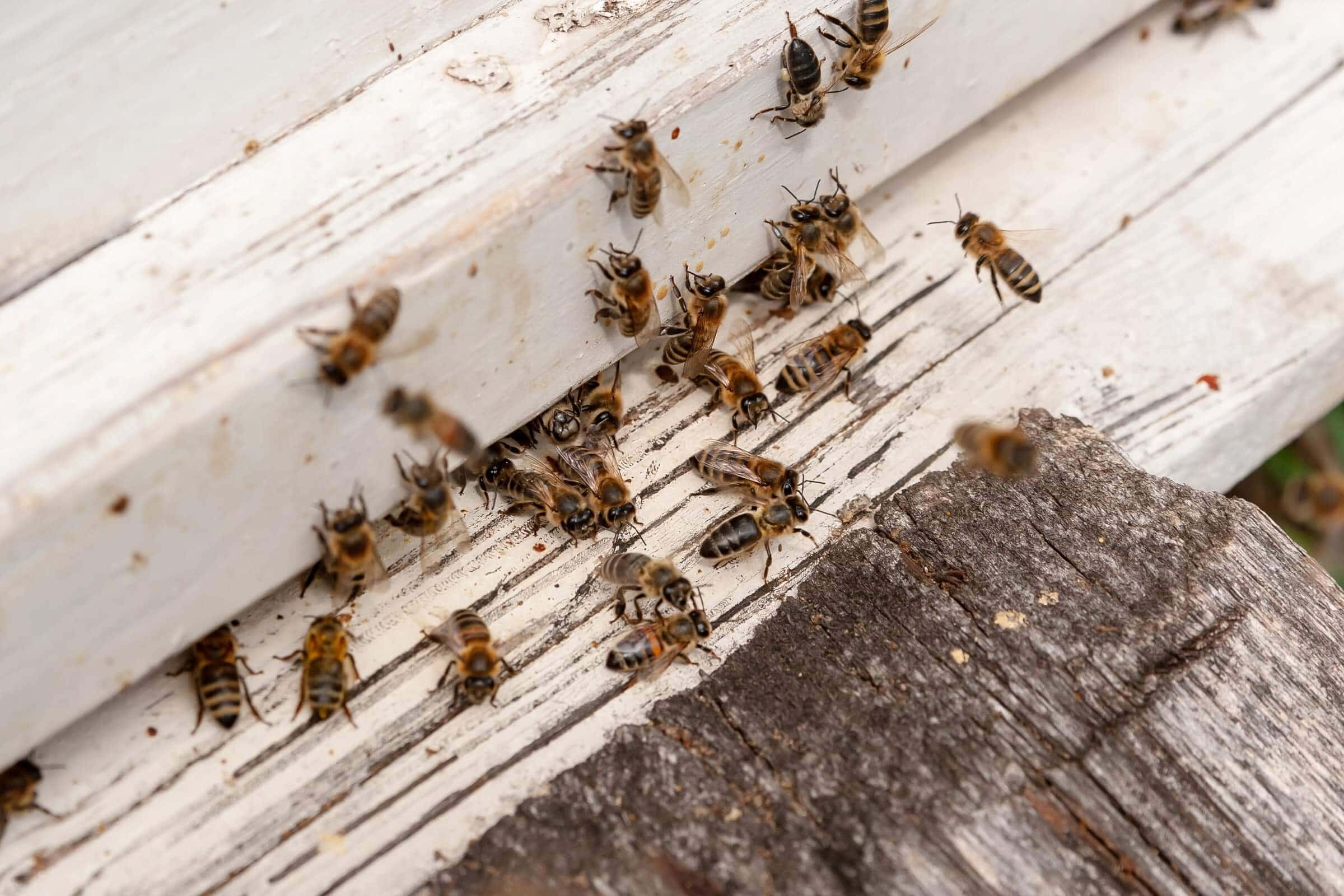
- A colony normally includes one queen, thousands of worker bees, and seasonal drones.
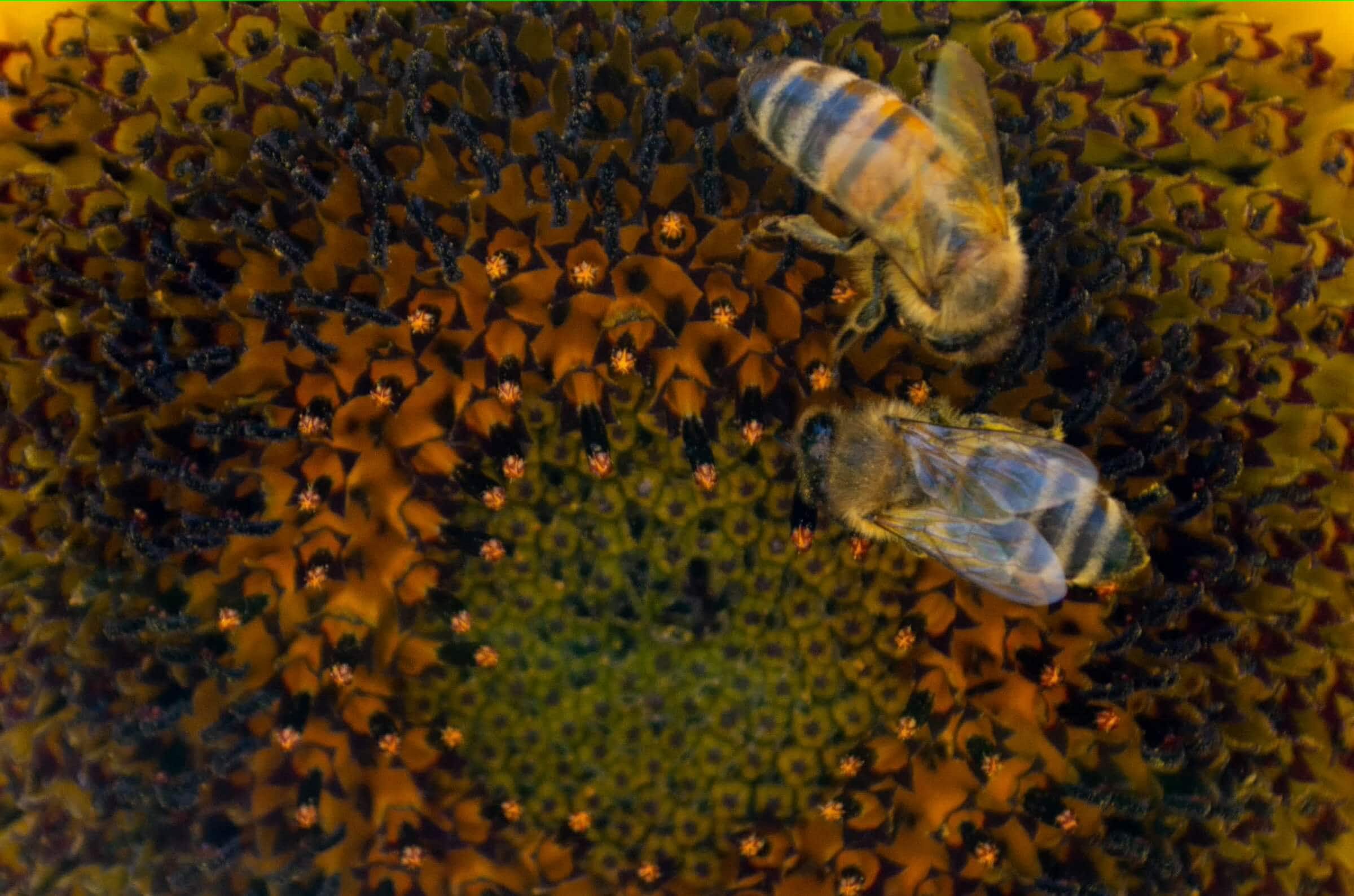
- Worker bees collect nectar and pollen while visiting flowers.
- Pollination helps many flowering plants produce fruits, vegetables, nuts, and seeds.
Earth Day is a useful time to think about the living systems that support daily life. Honey bees are one of the most familiar pollinators because they connect gardens, farms, orchards, wildflowers, honey production, and local food systems. Their work is easy to overlook because it happens quietly from flower to flower, but pollination is one of the natural processes that helps keep food production and plant reproduction moving.
Honey bees should not be treated as the only pollinators that matter. Native bees, butterflies, moths, flies, beetles, birds, bats, and other wildlife also support pollination and biodiversity. Still, honey bees have a special role because beekeepers can manage colonies, monitor their health, and place them near crops when bloom periods need pollination support.
For homeowners, gardeners, schools, farms, and communities, Earth Day turns a large environmental idea into practical action. Planting flowers, protecting habitat, reducing pesticide exposure, and supporting local beekeepers are small choices that can add up over time.
Research Summary: USDA, EPA, extension, and pollinator conservation resources consistently describe honey bee health as a multi-stressor issue involving nutrition, parasites, disease, pesticides, habitat, and weather.
How Do Honey Bees Support Agriculture and Food Production?
Honey bees pollinate many crops by moving pollen between flowers, supporting fruit set, seed development, and crop quality.
- Honey bees pollinate many fruits, vegetables, nuts, and seed crops.
- Managed colonies can be moved to farms and orchards during bloom.
- Pollination can improve yield, uniformity, and seed development.
- A diverse food supply depends on managed honey bees and wild pollinators.
- Pollinator health supports farms, gardens, ecosystems, and local food economies.
Honey bees are more than honey producers. They are working pollinators that help support the agricultural landscape. When worker bees move from flower to flower gathering nectar and pollen, pollen grains can transfer between blossoms. This allows many plants to develop fruit or seed. In home gardens, that may mean better cucumbers, pumpkins, melons, berries, and fruit trees. In commercial agriculture, pollination can affect crop yield, crop quality, and consistency.
The USDA explains that honey bees and other pollinators support a wide range of crops and help maintain the diversity of foods people eat. This does not mean honey bees pollinate every crop or that native pollinators are less important. It means honey bees are one of the most widely managed pollinators because beekeepers can maintain colonies and place them near crops during bloom.
| Pollinator | How It Helps | Best Support Action |
|---|---|---|
| Honey bees | Managed colonies pollinate many crops and produce honey, wax, and other hive products. | Support local beekeepers and reduce pesticide exposure during bloom. |
| Native bees | Many native bees are highly efficient pollinators of native plants and some crops. | Plant native flowers and leave nesting habitat such as bare soil or hollow stems. |
| Butterflies and moths | They pollinate while feeding and support food webs as larvae and adults. | Plant host plants and nectar plants without unnecessary insecticide use. |
| Beetles, flies, and other insects | Many overlooked insects pollinate flowers and support ecosystem balance. | Maintain diverse flowering habitat and avoid over-cleaning natural areas. |
What Threats Do Honey Bees Face Today?
Honey bee colonies face stress from Varroa mites, diseases, poor nutrition, pesticide exposure, habitat loss, and weather extremes.
- Varroa mites are one of the most serious threats to managed honey bee colonies.
- Diseases and viruses can spread more easily when colonies are weakened by parasites.
- Poor forage reduces the variety and quality of pollen and nectar available to bees.
- Pesticide exposure can harm bees directly or affect behavior, navigation, and colony health.
- Weather extremes can disrupt bloom timing, forage availability, and colony development.
Honey bee health is usually shaped by several stressors at once. A colony may handle one challenge, but struggle when poor nutrition, parasites, disease pressure, weather stress, and pesticide exposure overlap. This is why responsible beekeeping and responsible land care both matter.
Habitat Loss
As development expands and agricultural landscapes become less diverse, bees may lose access to continuous bloom. Honey bees need nectar for carbohydrates and pollen for protein, fats, vitamins, and minerals. When landscapes lack flowering plants, colonies can experience nutritional stress. Pollinator-friendly yards, roadsides, orchard borders, farm edges, and community gardens can help restore missing forage.
Pesticide Exposure
Pesticides are used for many reasons, including crop protection, lawn care, and insect control. Some products can harm bees when applied to blooming plants, used incorrectly, or allowed to drift onto forage. The safest approach is to avoid unnecessary pesticide use, follow labels carefully, and avoid applying bee-toxic products when pollinators are actively visiting flowers.
Diseases and Parasites
The Varroa mite is one of the most damaging parasites of honey bees. Varroa mites feed on bees and can transmit viruses inside the colony. Without monitoring and management, mite levels can rise until the colony becomes weak, sick, or unable to survive seasonal stress. Responsible beekeeping includes regular mite monitoring, treatment decisions based on thresholds, and careful attention to colony strength.
Climate and Weather Pressure
Changing weather patterns can affect honey bees by altering bloom timing, increasing drought stress, creating forage gaps, or causing colonies to build up before enough food is available. A warm spell may encourage bees to fly, but if nectar and pollen are scarce, colonies can burn through food stores. Severe storms, drought, extreme heat, and unpredictable winters can all make colony management harder.
Lappe’s Field Note: In strong spring conditions, colonies can build quickly when pollen and nectar are available. When forage is delayed or cold weather returns, food stores need close attention.
How Can You Help Honey Bees on Earth Day?
Helping honey bees starts with planting forage, reducing pesticide risk, learning bee biology, and supporting responsible local beekeepers.
- Plant flowers that bloom in spring, summer, and fall.
- Choose native flowering plants when they fit your location and growing conditions.
- Avoid pesticide applications on blooming plants visited by pollinators.
- Buy local honey and hive products from nearby beekeepers.
- Share accurate pollinator information with neighbors, schools, gardeners, and community groups.
Helping honey bees on Earth Day does not have to be complicated. The most useful actions are often local, repeatable, and realistic. A small yard can provide clover, herbs, asters, coneflowers, goldenrod, milkweed, fruit tree blossoms, or other flowering plants. A farm can add flowering borders. A school can create a pollinator garden. A business can replace a low-value turf strip with flowers that feed insects.
Education is another powerful action. Learning how honey bees live, how colonies grow, and what threatens their health helps people make better decisions. It also reduces confusion. Keeping honey bees is not the only way to help pollinators. In some locations, planting habitat for native bees may be more useful than adding more hives. The strongest approach is balanced: support responsible beekeeping while also protecting wild pollinator habitat.
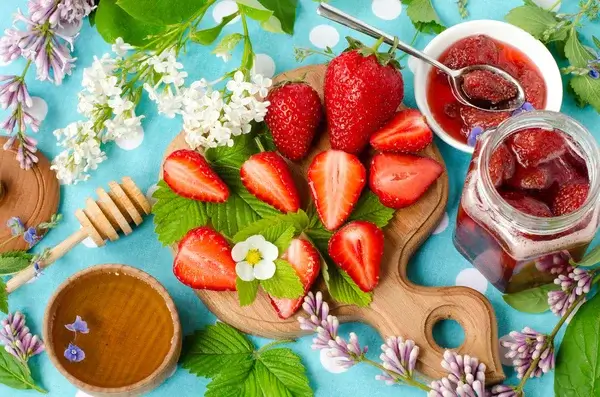
Supporting local beekeepers also matters. When you buy raw honey from a nearby beekeeper, you help sustain the people who manage colonies, monitor pests, replace equipment, feed bees when needed, and provide pollination services. Local honey also connects customers to nearby flowers, seasons, and landscapes.
Practical Pollinator Tip: Continuous bloom from spring through fall usually supports bees better than one short-season planting.
What Is the Best Earth Day Honey Bee Action Checklist?
The best Earth Day bee actions improve forage, protect blooming plants, support beekeepers, and build long-term pollinator habitat.
| Action | Why It Helps | Difficulty |
|---|---|---|
| Plant spring-to-fall flowers | Provides nectar and pollen across more of the growing season. | Easy |
| Reduce unnecessary pesticide use | Lowers the risk of pollinator exposure on blooming plants. | Moderate |
| Buy local honey | Supports nearby beekeepers who maintain managed colonies. | Easy |
| Leave some natural habitat | Supports nesting sites and forage for native pollinators. | Easy |
| Educate your community | Helps people make accurate, practical pollinator decisions. | Easy |
For the biggest impact, choose actions that continue after Earth Day. A single flower planting is helpful, but a yard or garden designed for continuous bloom is better. A one-time conversation is useful, but a school garden, community habitat project, or annual pollinator planting day can keep the work going. Honey bees need more than celebration. They need landscapes that provide food, water, shelter, and reduced chemical exposure throughout the year.
Editorial Standards
This guide is written and reviewed by Lappe’s Bee Supply using practical beekeeping experience, university extension guidance, USDA resources, EPA pollinator protection information, and pollinator conservation references. The goal is to provide clear, useful, and evidence-led information for gardeners, beekeepers, homeowners, and anyone interested in helping pollinators.
Frequently Asked Questions
Why are honey bees important on Earth Day?
Honey bees are important on Earth Day because they connect pollinator health, food production, habitat protection, and responsible environmental stewardship.
Are honey bees the only pollinators that matter?
No. Honey bees are important managed pollinators, but native bees, butterflies, moths, flies, beetles, birds, and bats also support pollination.
What is the biggest threat to honey bees?
Varroa mites are one of the most serious threats to managed honey bee colonies because they weaken bees and spread viruses.
Can planting flowers really help honey bees?
Yes. Planting flowers that bloom across multiple seasons can provide nectar and pollen when bees need food.
Should I avoid all pesticides to protect bees?
Use pesticides only when needed, follow the label carefully, and avoid applying bee-toxic products to blooming plants visited by pollinators.
Does buying local honey help honey bees?
Buying local honey supports nearby beekeepers who maintain colonies, manage pests, replace equipment, and contribute to local pollination.
Are honey bees endangered?
Managed honey bees are not generally considered endangered in the same way as some wild bee species, but colony health remains a serious concern.
What is the easiest Earth Day action for honey bees?
The easiest Earth Day action is planting pollinator-friendly flowers and avoiding pesticide use on plants while they are blooming.
Should homeowners keep honey bees to help pollinators?
Not always. Some homeowners may help more by planting diverse forage, protecting native bee habitat, and supporting responsible local beekeepers.
Why is biodiversity important for pollinators?
Biodiversity helps pollinators by providing varied food sources, nesting habitat, and more resilient ecosystems across changing seasons.
Sources
- Pollinators — United States Department of Agriculture
- Protecting the Pollinators — USDA Agricultural Research Service
- National Honey Bee Surveys — USDA APHIS
- Protecting Bees and Other Pollinators from Pesticides — U.S. Environmental Protection Agency
- EPA Actions to Protect Pollinators — U.S. Environmental Protection Agency
- Pollinator Conservation Program — Xerces Society
- Pollinator Conservation Resource Center — Xerces Society
- Tools for Varroa Management — Honey Bee Health Coalition
FAQs
Why are honey bees important on Earth Day?
Honey bees are important on Earth Day because they connect pollinator health, food production, habitat protection, and responsible environmental stewardship.
Are honey bees the only pollinators that matter?
No. Honey bees are important managed pollinators, but native bees, butterflies, moths, flies, beetles, birds, and bats also support pollination.
What is the biggest threat to honey bees?
Varroa mites are one of the most serious threats to managed honey bee colonies because they weaken bees and spread viruses.
Can planting flowers really help honey bees?
Yes. Planting flowers that bloom across multiple seasons can provide nectar and pollen when bees need food.
Should I avoid all pesticides to protect bees?
Use pesticides only when needed, follow the label carefully, and avoid applying bee-toxic products to blooming plants visited by pollinators.
Does buying local honey help honey bees?
Buying local honey supports nearby beekeepers who maintain colonies, manage pests, replace equipment, and contribute to local pollination.
Are honey bees endangered?
Managed honey bees are not generally considered endangered in the same way as some wild bee species, but colony health remains a serious concern.
What is the easiest Earth Day action for honey bees?
The easiest Earth Day action is planting pollinator-friendly flowers and avoiding pesticide use on plants while they are blooming.
Should homeowners keep honey bees to help pollinators?
Not always. Some homeowners may help more by planting diverse forage, protecting native bee habitat, and supporting responsible local beekeepers.
Why is biodiversity important for pollinators?
Biodiversity helps pollinators by providing varied food sources, nesting habitat, and more resilient ecosystems across changing seasons.