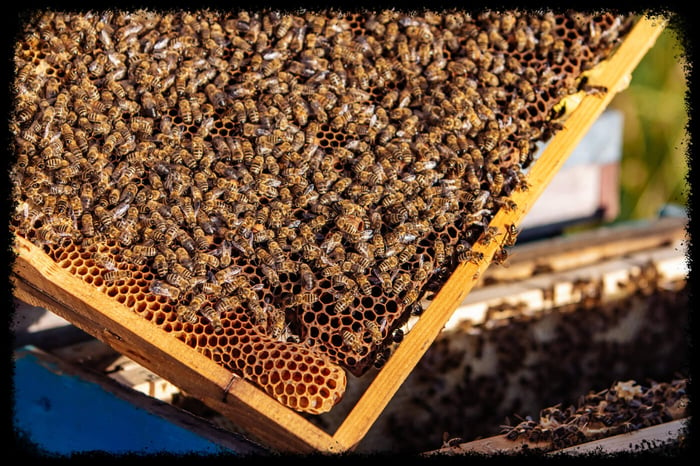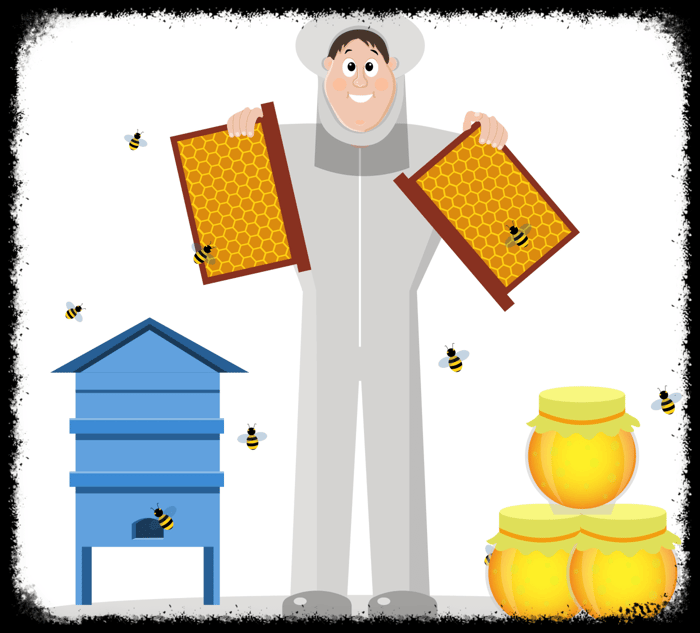
Welcome to Lappe's Bee Supply's blogs section. We are a trusted beekeeping company in the USA. We give relevant insights, seasonal guidance, and professional advice for beekeepers of all experience levels. From hive management and bee wellness to honey production and equipment guides, we have it all that you will require to thrive. Get updated, motivated, and connected with the beekeeping community through regular news from Lappe's Bee Supply.
Interesting Facts About Honey Bees
The Buzz About This Post
- Key Takeaways
- Table of Contents
- Why Are Bees Important?
- How Many Bees Live In A Honey Bee Colony?
- What Does A Queen Bee Do?
- How Fast Can Bees Fly?
- How Many Flowers Do Bees Visit To Make Honey?
- Why Does Honey Never Spoil Easily?
- How Do Honey Bees Make Beeswax?
- How Do Honey Bees Communicate With Each Other?
- What Jobs Do Worker Bees Have?
- Why Do Honey Bees Have Pollen Baskets?
- Do Honey Bees Have Five Eyes?
- Can Male Honey Bees Sting?
- Why Does Honey Taste Different From Season To Season?
- How Do Honey Bees Survive Winter?
- How Smart Are Honey Bees?
- What Are The Most Interesting Honey Bee Facts For Beginners?
- What Can Beekeepers Learn From Watching Honey Bees?
- Quick Honey Bee Facts Table
- Frequently Asked Questions
- Recommended Sources For Further Reading
- FAQs
Beekeeping Education
Interesting Facts About Bees: What Every Beekeeper Should Know
Pollinators are small insects with an enormous impact. They pollinate crops, build wax comb, produce honey, communicate through dances and pheromones, and work together as one highly organized colony. Whether you are brand new to beekeeping or have spent years around hives, these honey bee facts explain why bees are so valuable, fascinating, and worth protecting.
Key Takeaways
- Bees help pollinate many fruits, vegetables, nuts, and seed crops.
- A strong honey bee colony may contain 50,000 to 60,000 bees during peak season.
- Worker bees can visit 50 to 100 flowers during a single foraging trip.
- Honey naturally resists spoilage because it is acidic, low in moisture, and antimicrobial.
- Bees communicate using pheromones, scent recognition, and the waggle dance.
- Pollinators perform different colony jobs as they age, from nursing brood to foraging.

Why Are Bees Important?
Pollinators support food production by pollinating crops, producing honey, and helping flowering plants reproduce.
- Bees pollinate many crops grown for fruit, vegetables, nuts, and seeds.
- Pollination improves crop yield, fruit shape, seed set, and overall food quality.
- Bees also produce honey, beeswax, propolis, royal jelly, and pollen.
- Managed colonies are often moved to farms and orchards during bloom periods.
Pollinators matter because they connect the natural world with the food on our tables. As they move from flower to flower collecting nectar and pollen, they transfer pollen grains that allow plants to set fruit and seed. That simple act supports backyard gardens, orchards, vegetable farms, seed crops, and large-scale agriculture. Bees are not the only pollinators, but they are one of the most manageable and widely used pollinators in agriculture.

How Many Bees Live In A Honey Bee Colony?
A strong honey bee colony may contain 50,000 to 60,000 bees during late spring and early summer.
- A colony usually includes one queen, thousands of workers, and seasonal drones.
- Worker bee populations rise quickly during spring buildup.
- Colony size depends on queen quality, nutrition, weather, disease pressure, and hive space.
- Large colonies can gather more nectar and protect the hive more effectively.
A honey bee colony is not just a group of insects living in the same box. It functions like one living system, with each bee performing work that supports the whole hive. The queen lays eggs, workers feed brood and gather resources, and drones appear during the reproductive season. In a healthy hive, the population grows rapidly in spring as flowers begin blooming and food becomes available.
What Does A Queen Bee Do?
The queen bee lays eggs and releases pheromones that help organize the colony and identify the hive.
- A productive queen can lay up to about 1,500 eggs per day during peak season.
- Worker bees feed, groom, and protect the queen.
- Queen pheromones help regulate colony behavior and cohesion.
- The queen does not manage every bee directly; colony behavior is coordinated through many signals.
The queen is essential, but she is not a ruler in the human sense. Her main job is reproduction. During strong spring and summer conditions, a productive queen can lay a remarkable number of eggs each day. Worker bees constantly attend her, feeding and grooming her while spreading her pheromones through the colony. Those pheromones help bees recognize that the colony is queenright and functioning normally.
How Fast Can Bees Fly?
Pollinators can fly up to about 15 miles per hour while foraging for nectar, pollen, water, and propolis.
- Bees may travel several miles from the hive when resources are scarce.
- A worker bee can visit 50 to 100 flowers during one foraging trip.
- Rapid wing movement creates the familiar honey bee buzzing sound.
- Bees use landmarks, sunlight, scent, and memory to navigate home.
Pollinators are efficient flyers. A field bee may leave the hive, locate a food source, collect nectar or pollen, and return with impressive accuracy. Under favorable conditions, bees can fly near 15 miles per hour. Their flight is not random. Foragers learn the landscape around the hive, remember landmarks, and can return to dependable food sources again and again.
How Many Flowers Do Bees Visit To Make Honey?
Bees may visit about 2 million flowers to gather enough nectar for a single pound of finished honey.
Honey production takes teamwork. Forager bees collect nectar from flowers and bring it back to the hive. House bees then pass, process, and dehydrate the nectar until it becomes honey. Once the moisture level is low enough, bees seal the honey in comb with a thin wax capping. A productive colony during a strong nectar flow can store an impressive amount of honey, but every pound represents thousands of bee flights and flower visits.
Why Does Honey Never Spoil Easily?
Honey resists spoilage because it has low moisture, natural acidity, high sugar content, and antimicrobial compounds.
Honey is famous for its shelf stability. Properly stored honey can remain usable for a very long time because its chemistry makes it unfriendly to many bacteria and spoilage organisms. Over time, honey may granulate or crystallize, especially varieties high in glucose. That change is natural and does not mean the honey has gone bad. Gentle warming can return crystallized honey to a liquid state.

How Do Honey Bees Make Beeswax?
Worker bees produce beeswax from glands on their abdomens and shape it into comb for brood and honey storage.
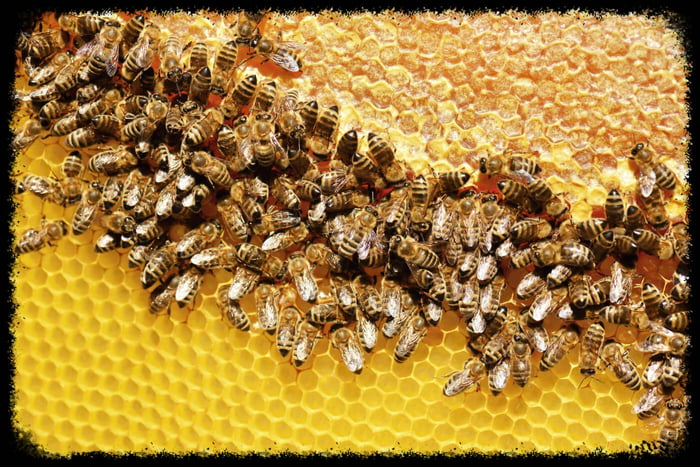
Beeswax is one of the most impressive materials bees make. Worker bees secrete tiny wax scales from glands on the underside of their abdomens. They chew and shape those scales into the hexagonal comb structure used throughout the hive. Comb is the colony’s nursery, pantry, and storage system. Because producing wax requires substantial energy, drawn comb is valuable to both bees and beekeepers.
How Do Honey Bees Communicate With Each Other?
Bees communicate through pheromones, scent, touch, sound, and waggle dances that guide foragers.
Honey bee communication is one of the wonders of the hive. When a forager discovers a strong nectar or pollen source, she can perform a waggle dance to direct other bees toward it. Bees also rely heavily on pheromones. These chemical signals help the colony recognize the queen, identify nestmates, respond to danger, and coordinate work inside the hive.
What Jobs Do Worker Bees Have?
Worker bees change jobs as they age, moving from cleaning and nursing to comb work, guarding, and foraging.
A worker bee’s life changes quickly. Soon after emerging, she begins cleaning cells and helping inside the brood nest. As she matures, she feeds larvae, produces wax, builds comb, processes nectar, and may guard the entrance. Later in life, she becomes a forager and leaves the hive to collect nectar, pollen, water, and propolis. This age-based division of labor helps the colony stay organized without a central manager.
Why Do Honey Bees Have Pollen Baskets?
Worker bees carry pollen in special structures on their hind legs so the colony can feed developing brood.
The colorful clumps seen on a returning worker’s hind legs are pollen loads. These pollen baskets, called corbiculae, allow bees to transport pollen back to the hive efficiently. Nectar provides carbohydrates, but pollen provides the protein and nutrients needed to raise healthy young bees. During spring buildup, colonies depend heavily on pollen to feed growing brood.
Do Honey Bees Have Five Eyes?
Honey bees have five eyes: two large compound eyes and three small ocelli on top of the head.
Honey bee vision is built for flight, navigation, and flower finding. Their two large compound eyes are made of many tiny lenses, helping bees detect motion and patterns. The three smaller eyes on top of the head, called ocelli, help with light detection and orientation. Bees also see ultraviolet patterns that humans cannot see, which helps guide them toward nectar and pollen.
Can Male Honey Bees Sting?
Male honey bees, called drones, cannot sting because they do not have stingers.
Drones have a very different role from worker bees. Their main purpose is reproduction. Because they do not defend the hive, they do not have stingers. Worker bees, which are female, are the colony defenders. They may sting when they perceive a threat, especially near the hive entrance or brood nest.
Why Does Honey Taste Different From Season To Season?
Honey flavor changes with the flowers bees visit, so nectar source, season, weather, and region shape each harvest.
Honey is a natural record of the flowers blooming around a hive. Clover, basswood, wildflower, buckwheat, orange blossom, and other nectar sources can produce very different colors and flavors. Even hives in the same yard can produce different honey if bees forage on different plants. That is why local honey can vary from one season to the next.
How Do Honey Bees Survive Winter?
Honey bees survive winter by clustering together, eating stored honey, and generating heat inside the hive.
Bees do not hibernate. Instead, they form a living cluster that slowly moves through stored honey as winter progresses. Bees on the outside of the cluster insulate the group while bees inside generate heat. On warmer winter days, bees may leave the hive for cleansing flights. A beekeeper’s fall preparation matters because colonies need enough food, healthy bees, and low parasite pressure to reach spring.
How Smart Are Honey Bees?
These bees have small brains, but they can learn, remember landmarks, navigate, and share food locations.
A honey bee brain is tiny, but its abilities are remarkable. Bees can learn which flowers provide nectar, remember routes, recognize patterns, and navigate back to the hive from long distances. At the colony level, honey bees make group decisions about food sources, nest sites, defense, brood care, and seasonal preparation. Watching a hive closely is one of the best ways to appreciate how intelligent colony behavior can be.
What Are The Most Interesting Honey Bee Facts For Beginners?
Honey bees make honey, wax, and propolis while pollinating crops, raising brood, and working as one colony.
For beginner beekeepers, the most interesting bee facts are often the ones you can see in the hive. You may notice pollen baskets on returning foragers, fresh white wax on new comb, capped honey, different brood stages, guard bees at the entrance, or workers fanning to move air through the hive. Each detail tells you something about colony health and seasonal progress.
What Can Beekeepers Learn From Watching Honey Bees?
Beekeepers learn colony health by watching bee traffic, brood pattern, food stores, comb building, and behavior.
One of the best parts of beekeeping is that the bees teach you something every season. The entrance, brood nest, comb, and honey supers all provide clues. Over time, beekeepers learn to recognize normal activity and spot changes that may need attention. At Lappe’s Bee Supply, we often remind new beekeepers that patient observation is one of the most valuable tools they can bring to the bee yard.
Quick Honey Bee Facts Table
| Honey Bee Fact | Textbook-Style Summary |
|---|---|
| Flight speed | Honey bees can fly up to about 15 miles per hour. |
| Flower visits | A worker may visit 50 to 100 flowers in one trip. |
| Colony size | Strong colonies may reach 50,000 to 60,000 bees in peak season. |
| Eyes | Honey bees have two compound eyes and three ocelli. |
| Communication | Bees use pheromones, scent, touch, sound, and waggle dances. |
| Honey storage | Bees seal ripened honey in wax cells for long-term food storage. |
Frequently Asked Questions
How many eyes does a honey bee have?
Honey bees have five eyes: two large compound eyes and three small ocelli on top of the head.
How many wings does a honey bee have?
A honey bee has two pairs of wings, for a total of four wings.
Can drones sting?
No. Drones are male honey bees and do not have stingers.
How far can honey bees fly from the hive?
Honey bees may travel several miles from the hive, and they can sometimes travel up to about 5 miles when needed.
Why do bees buzz?
Bees buzz because their wings move rapidly during flight and while performing certain hive behaviors.
What do honey bees eat?
Honey bees eat honey or nectar for carbohydrates and pollen for protein, fats, vitamins, and minerals.
Why do bees make honey?
Bees make honey as a long-term food supply, especially for winter or times when flowers are not producing nectar.
Does honey go bad?
Properly stored honey resists spoilage, though it may naturally crystallize over time.
What is a waggle dance?
A waggle dance is a honey bee communication behavior that helps direct nestmates toward food sources.
What is the best way to learn about bees?
The best way to learn about bees is to study reliable beekeeping resources, work with experienced beekeepers, and observe colonies through the seasons.
Recommended Sources For Further Reading
- The Hive and the Honey Bee, Dadant & Sons
- Honey Bee Biology and Beekeeping, Dewey M. Caron and Lawrence John Connor
- USDA Agricultural Research Service bee and pollinator research materials
- University of Florida IFAS Extension beekeeping publications
- Penn State Extension beekeeping and pollinator resources
- Cornell University bee and pollinator research resources
- National Honey Board honey composition and honey handling resources
- Xerces Society pollinator conservation resources
FAQs
How many wings does a honey bee have?
A honey bee has two pairs of wings, for a total of four wings.
Can drones sting?
No. Drones are male honey bees and do not have stingers.
How far can honey bees fly from the hive?
Honey bees may travel several miles from the hive, and they can sometimes travel up to about 5 miles when needed.
Why do bees buzz?
Bees buzz because their wings move rapidly during flight and while performing certain hive behaviors.
What do honey bees eat?
Honey bees eat honey or nectar for carbohydrates and pollen for protein, fats, vitamins, and minerals.
Why do bees make honey?
Bees make honey as a long-term food supply, especially for winter or times when flowers are not producing nectar.
Does honey go bad?
Properly stored honey resists spoilage, though it may naturally crystallize over time.
What is a waggle dance?
A waggle dance is a honey bee communication behavior that helps direct nestmates toward food sources.
What is the best way to learn about bees?
The best way to learn about bees is to study reliable beekeeping resources, work with experienced beekeepers, and observe colonies through the seasons.