Welcome to Lappe's Bee Supply's blogs section. We are a trusted beekeeping company in the USA. We give relevant insights, seasonal guidance, and professional advice for beekeepers of all experience levels. From hive management and bee wellness to honey production and equipment guides, we have it all that you will require to thrive. Get updated, motivated, and connected with the beekeeping community through regular news from Lappe's Bee Supply.
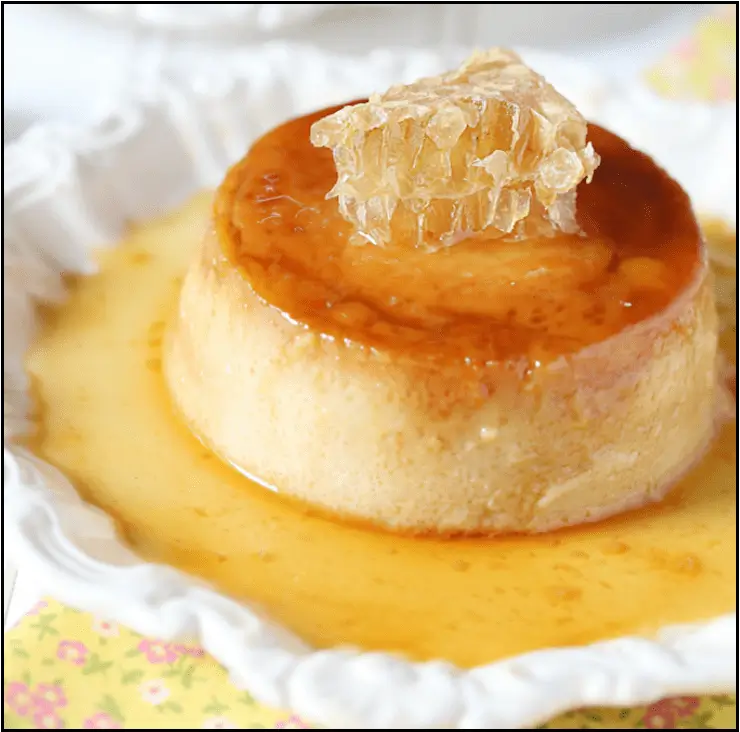
Honey Flan
The Buzz About This Post
- Key Takeaways
- Table of Contents
- About the Recipe
- What Is This Dessert?
- Ingredients
- Instructions
- Why Is This Custard Baked in a Water Bath?
- How Do You Know When the Custard Is Done?
- How Should the Custard Be Chilled and Served?
- How Should Leftovers Be Stored?
- Frequently Asked Questions
- What is honey flan?
- How much honey is used in this recipe?
- Why is this custard baked in a water bath?
- What temperature should the custard be baked at?
- Should the custard still jiggle when it is done?
- What internal temperature should an egg custard reach?
- How long should the dessert chill?
- How do you remove the custard from a ramekin?
- How long can leftovers be refrigerated?
- How many servings does this recipe make?
- Sources and Further Reading
- About This Recipe
- FAQs
Honey Flan Recipe: Creamy Baked Custard with Honey Caramel
Honey flan combines a smooth baked custard with a golden sugar-and-honey caramel that becomes the sauce when each chilled ramekin is inverted onto a plate.
Published: September 3, 2026
Author: Lappe's Bee Supply
Key Takeaways
- This dessert is a baked egg-and-milk custard served with a caramelized sugar-and-honey topping.
- The recipe makes six individual servings in ramekins.
- Three tablespoons of honey are added to the caramel, while four tablespoons sweeten the custard.
- The ramekins bake in approximately one inch of hot water for gentle, even cooking.
- The custard should be slightly set but still jiggle gently when it comes out of the oven.
- After cooling for 30 minutes, the dessert needs at least three hours of refrigeration before unmolding.
About the Recipe
Honey flan is a creamy baked custard sweetened with honey, chilled until set, and inverted so a soft honey caramel flows over each serving.
Flan is a custard dessert traditionally prepared in a caramel-lined baking dish or individual molds. In this recipe, honey appears in both parts of the dessert. Three tablespoons are stirred into the melted sugar to create the caramel layer, while the remaining four tablespoons are blended directly into the custard.
The finished dessert has several distinct layers of flavor without requiring a long ingredient list. Sweetened condensed milk gives the custard body and sweetness, eggs allow it to set during baking, milk keeps the texture smooth, and honey adds its characteristic sweetness to both the custard and caramel.
What Is This Dessert?
Honey flan is a baked egg custard made with milk, condensed milk, and honey, then served with a caramelized sugar-and-honey sauce.
- Eggs provide the structure that allows the custard to set.
- Sweetened condensed milk contributes sweetness and a creamy texture.
- Honey is used in both the caramel and the custard.
- The dessert is baked in individual ramekins.
- The chilled custard is inverted before serving so the caramel becomes the topping.
The caramel begins on the bottom of each ramekin, but it becomes the top of the dessert when the chilled custard is inverted. That simple reversal is what gives traditional flan its recognizable glossy caramel coating. This version keeps that familiar preparation while incorporating honey into both the topping and the custard itself.
| Recipe Detail | Information |
|---|---|
| Recipe type | Baked custard dessert |
| Yield | 6 individual flans |
| Oven temperature | 350°F |
| Baking time | 30–35 minutes |
| Cooling time | 30 minutes |
| Chilling time | At least 3 hours |
| Water-bath depth | Approximately 1 inch |
| Main sweeteners | Sugar and honey |
Ingredients
- 1/2 c. Sugar
- 7 Tbsp. Honey , divided
- 1 can Sweetened Condensed Milk
- 1 c. Milk
- 3 Large Eggs
- 1 Large Egg Yolk
- 1/4 tsp. Salt
The seven tablespoons of honey are intentionally divided. Three tablespoons are reserved for the caramel mixture, while the remaining four tablespoons go into the custard. Keeping the two portions separate before you begin can make preparation easier once the sugar starts caramelizing.
Instructions
1. Preheat the oven.
Preheat oven to 350°F.
2. Caramelize the sugar.
Sprinkle sugar in a 3-quart saucepan; place over medium heat, and cook, gently shaking pan, 4 minutes or until sugar melts and turns a light golden brown.
3. Add the honey.
Slowly stir in 3 Tbsp. Honey. The mixture will clump a little; gently stir just until melted. Remove from heat and immediately pour hot caramelized sugar into 6 ramekins.
4. Blend the custard.
Process condensed milk, 1 c. milk, eggs and egg yolk, salt, and remaining 4 Tbsp. honey in a blender for 10–15 seconds or until smooth.
5. Fill the ramekins.
Pour the custard mixture evenly over the sugar mixture in each ramekin.
6. Prepare the water bath.
Place ramekins in a 13” x 9” pan. Add hot tap water to the pan to a depth of 1”. Cover loosely with foil.
7. Bake the custard.
Bake in the preheated oven for 30–35 minutes or until slightly set. The center will jiggle when the pan is shaken.
8. Cool and chill.
Remove ramekins from the water bath and place on a wire rack. Cool for 30 minutes. Cover and chill for 3 hours.
9. Unmold and serve.
Run a knife around the edges to loosen each custard, then invert onto a serving plate.
Why Is This Custard Baked in a Water Bath?
A water bath surrounds the ramekins with gentle heat while the custard bakes, helping the egg mixture cook gradually and evenly.
- The ramekins sit inside a larger baking pan.
- This recipe specifies approximately one inch of hot water.
- The water surrounds the outside of the ramekins rather than being added to the custard.
- The pan is loosely covered with foil before baking.
Custards are delicate because their structure comes from eggs. The water around the ramekins helps moderate how quickly heat reaches the mixture. The goal is a smooth, tender dessert that is set enough to hold its shape after chilling but not baked until it becomes unnecessarily firm.
Be careful when transferring a pan filled with hot water into and out of the oven. When baking is complete, remove each ramekin from the water bath before placing it on a wire rack to cool.
How Do You Know When the Custard Is Done?
The custard is ready when it is slightly set but still jiggles gently when the pan is moved; egg dishes should reach 160°F.
- Bake at 350°F for approximately 30–35 minutes.
- The surface should appear set rather than completely liquid.
- A gentle jiggle in the center is expected.
- A food thermometer offers a more objective food-safety check than appearance alone.
The original recipe intentionally notes that the custard will jiggle when the pan is shaken. That movement should not automatically be interpreted as underbaking. It continues to firm as it cools and later chills in the refrigerator.
Because the dessert contains eggs, food safety is also important. The U.S. Food and Drug Administration's egg-safety guidance states that casseroles and other dishes containing eggs should be cooked to 160°F and recommends using a food thermometer to verify temperature.
How Should the Custard Be Chilled and Served?
Cool the baked custards for 30 minutes, refrigerate them for at least three hours, then loosen the edges and invert each ramekin to serve.
- Remove each ramekin from the hot-water bath after baking.
- Let the custard cool on a wire rack for 30 minutes.
- Cover the ramekins before refrigerating them.
- Chill for at least three hours.
- Loosen the custard with a knife immediately before inversion.
Refrigeration is an important part of preparing this dessert. The cooling and chilling time allows the custard to become firm enough to hold its shape after it leaves the ramekin.
When ready to serve, carefully run a thin knife around the edge. Place a serving plate over the ramekin, hold the two together, and invert. As the custard releases, the caramel that began beneath it becomes the sauce on top.
How Should Leftovers Be Stored?
Keep leftovers refrigerated in a covered container and use refrigerated cooked portions within about three to four days.
- The dessert contains eggs and dairy and should be kept refrigerated.
- Cover the ramekins or finished portions during refrigeration.
- Keep the refrigerator at 40°F or below.
- USDA guidance recommends using most cooked leftovers within three to four days.
The USDA Food Safety and Inspection Service states that leftovers can generally be kept refrigerated for three to four days. The agency also recommends covering leftovers or placing them in sealed storage containers.
USDA food-safety guidance additionally recommends refrigerating perishable foods rather than leaving them at room temperature for more than two hours under normal conditions. That makes timely refrigeration particularly important for an egg-and-dairy dessert.
Frequently Asked Questions
What is honey flan?
Honey flan is a baked egg custard made with milk, sweetened condensed milk, eggs, and honey, then served with a caramelized sugar-and-honey topping.
How much honey is used in this recipe?
The recipe uses 7 tablespoons of honey. Three tablespoons go into the caramel and the remaining 4 tablespoons are blended into the custard.
Why is this custard baked in a water bath?
A water bath surrounds the ramekins with gentle heat while the egg custard bakes. This recipe calls for approximately 1 inch of hot water around the ramekins.
What temperature should the custard be baked at?
This recipe is baked at 350°F for approximately 30 to 35 minutes.
Should the custard still jiggle when it is done?
Yes. The custard should be slightly set but can still jiggle gently when the baking pan is moved.
What internal temperature should an egg custard reach?
FDA food-safety guidance recommends cooking casseroles and other dishes containing eggs to 160°F.
How long should the dessert chill?
Cool the ramekins for 30 minutes, then cover and refrigerate them for at least 3 hours before unmolding.
How do you remove the custard from a ramekin?
Run a thin knife around the edge of the chilled custard, place a serving plate over the ramekin, and carefully invert it onto the plate.
How long can leftovers be refrigerated?
USDA guidance recommends using most cooked leftovers within 3 to 4 days when properly refrigerated.
How many servings does this recipe make?
The recipe divides the caramel and custard among 6 ramekins, making 6 individual servings.
Sources and Further Reading
Food-safety guidance used to support the cooking and storage information on this page comes from U.S. government food-safety authorities.
- What You Need to Know About Egg Safety — U.S. Food and Drug Administration. Guidance includes cooking dishes containing eggs to 160°F and safe refrigeration practices.
- Leftovers and Food Safety — USDA Food Safety and Inspection Service. Includes recommendations for refrigerating, covering, and storing cooked leftovers.
- Keep Food Safe! Food Safety Basics — USDA Food Safety and Inspection Service. Provides safe food-handling, temperature, refrigeration, and leftover-storage guidance.
FAQs
What is honey flan?
Honey flan is a baked egg custard made with milk, sweetened condensed milk, eggs, and honey, then served with a caramelized sugar-and-honey topping.
How much honey is used in this flan recipe?
The recipe uses 7 tablespoons of honey. Three tablespoons go into the caramel and the remaining 4 tablespoons are blended into the custard.
Why is flan baked in a water bath?
A water bath surrounds the ramekins with gentle heat while the egg custard bakes. This recipe calls for approximately 1 inch of hot water around the ramekins.
What temperature should honey flan be baked at?
This honey flan is baked at 350°F for approximately 30 to 35 minutes.
Should flan still jiggle when it is done?
Yes. The custard should be slightly set but can still jiggle gently when the baking pan is moved.
What internal temperature should an egg custard reach?
FDA food-safety guidance recommends cooking casseroles and other dishes containing eggs to 160°F.
How long should honey flan chill?
Cool the ramekins for 30 minutes, then cover and refrigerate them for at least 3 hours before unmolding.
How do you remove flan from a ramekin?
Run a thin knife around the edge of the chilled custard, place a serving plate over the ramekin, and carefully invert it onto the plate.
How long can leftover honey flan be refrigerated?
USDA guidance recommends using most cooked leftovers within 3 to 4 days when properly refrigerated.
How many servings does this recipe make?
The recipe divides the caramel and custard among 6 ramekins, making 6 individual flans.