Welcome to Lappe's Bee Supply's blogs section. We are a trusted beekeeping company in the USA. We give relevant insights, seasonal guidance, and professional advice for beekeepers of all experience levels. From hive management and bee wellness to honey production and equipment guides, we have it all that you will require to thrive. Get updated, motivated, and connected with the beekeeping community through regular news from Lappe's Bee Supply.
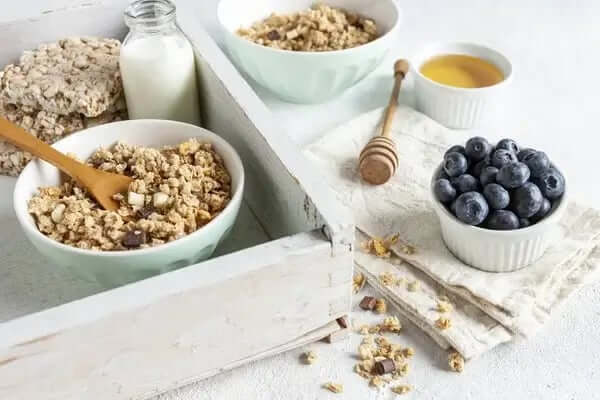
Honey Breakfast Homemade Granola Recipe: How to Make Homemade Granola With Honey
The Buzz About This Post
- Honey Breakfast Granola Recipe: How to Make Homemade Granola With Honey
- Table of Contents
- Key Takeaways
- Recipe Quick Facts
- What is honey breakfast granola?
- Why use honey in homemade granola?
- Why does this honey granola recipe work?
- What ingredients do you need for honey breakfast granola?
- What is the difference between quick oats and old-fashioned oats in granola?
- How do you make honey breakfast granola?
- How do you bake homemade granola evenly?
- How do you make granola crunchy without burning it?
- How should honey granola be served?
- How should homemade granola be stored?
- Frequently Asked Questions
- What is granola?
- Why is honey used in granola?
- What temperature should this granola bake at?
- How often should granola be stirred while baking?
- Can I change the nuts in this recipe?
- Can honey granola be eaten as a snack?
- How do I keep homemade granola crunchy?
- Why did my granola turn soft?
- Can I add dried fruit to this granola?
- Can I freeze homemade granola?
- Sources and Further Reading
- Schema Implementation Notes
- FAQs
Honey Breakfast Granola Recipe: How to Make Homemade Granola With Honey
This Homemade Granola recipe combines oats, honey, brown sugar, nuts, seeds, wheat germ, cinnamon, and vanilla to create a crunchy breakfast or snack that can be served with milk, yogurt, fruit, or enjoyed on its own.
Author: Lappe's Bee Supply | Published: April 9, 2025 | Last Updated: September 30, 2026
Editorial Standard: This Homemade Granola recipe is based on the listed Lappe's Bee Supply kitchen method. Food-storage and ingredient background information is supported by established food, nutrition, and government references where appropriate.
Honey breakfast granola is a baked oat mixture sweetened with honey and combined with nuts, seeds, grain ingredients, oil, and warm seasonings.
This homemade granola recipe uses quick-cooking oats, old-fashioned oats, honey, brown sugar, wheat germ, flax seed, almonds, pecans, sesame seeds, cinnamon, salt, canola oil, and vanilla. The finished granola can be served with milk, layered into yogurt, sprinkled over fresh fruit, or eaten plain as a crunchy snack.
Table of Contents
- Key Takeaways
- Recipe Quick Facts
- What is honey breakfast granola?
- Why use honey in homemade granola?
- Why does this honey granola recipe work?
- What ingredients do you need for honey breakfast granola?
- What is the difference between quick oats and old-fashioned oats in granola?
- How do you make honey breakfast granola?
- How do you bake homemade granola evenly?
- How do you make granola crunchy without burning it?
- How should honey granola be served?
- How should homemade granola be stored?
- Frequently Asked Questions
- Sources and Further Reading
Key Takeaways
- Honey breakfast granola is a baked oat mixture sweetened with honey and finished with nuts, seeds, cinnamon, and vanilla.
- This recipe combines quick-cooking oats and old-fashioned oats to create varied texture in the finished granola.
- Honey adds sweetness and flavor while helping coat the oats, nuts, seeds, and grain ingredients.
- The recipe bakes at 200°F for 30 to 60 minutes and is stirred every 10 minutes.
- Shallow baking pans help spread the mixture into a thinner, more even layer.
- Granola should cool completely before it is transferred to an airtight storage container.
- The listed recipe produces approximately 8 to 10 cups, although final yield can vary with ingredient packing and baking time.
Recipe Quick Facts
| Prep Time | About 15 minutes |
|---|---|
| Bake Time | 30 to 60 minutes |
| Oven Temperature | 200°F |
| Yield | Approximately 8 to 10 cups |
| Main Sweetener | Honey, supported by brown sugar |
| Difficulty | Easy |
| Stirring Interval | Every 10 minutes |
This recipe uses a low oven temperature, frequent stirring, and complete cooling to help develop the desired crunchy texture without relying on a short, high-temperature bake.
What is honey breakfast granola?
Honey breakfast granola is a baked oat mixture sweetened with honey and mixed with oats, nuts, seeds, grain ingredients, oil, and spices.
- Oats form the main grain base of the recipe.
- Honey and brown sugar provide sweetness.
- Nuts, flax seed, sesame seeds, and wheat germ add texture and variety.
- The finished granola can be served with milk, yogurt, fruit, or eaten plain.
Homemade granola turns simple pantry ingredients into a warm, rustic breakfast that can also double as a snack. This recipe is built around real honey, quick-cooking oats, old-fashioned oats, nuts, seeds, wheat germ, cinnamon, and vanilla. The different ingredients create a mixture with small crisp pieces, larger oat flakes, crunchy nuts, and subtle warm spice.
Making granola at home also gives you control over the final texture. A batch removed closer to the shorter end of the baking range may remain a little softer, while additional baking time can produce a drier result. Oven performance, pan size, layer depth, and personal preference can all affect the final texture, so visual and texture cues are useful alongside the listed baking time.
Why use honey in homemade granola?
Honey sweetens granola, helps coat the dry ingredients, supports light clustering, and adds a distinctive flavor that pairs naturally with oats and nuts.
- Honey distributes sweetness throughout the oat mixture.
- Its liquid consistency helps coat grains, nuts, and seeds when combined with oil.
- Mild honey creates a softer honey flavor.
- Darker or more strongly flavored honey can be more noticeable in the finished granola.
Honey does more in this recipe than simply make the granola sweet. The honey is distributed through the mixture with canola oil and vanilla, helping coat the oats, wheat germ, flax seed, sesame seeds, almonds, and pecans. This coating helps bring the many dry ingredients together into one cohesive mixture before baking.
The type of honey can also influence flavor. A mild table honey keeps the breakfast flavor familiar and lets cinnamon, vanilla, nuts, and toasted oats remain noticeable. A darker or stronger honey may bring a more pronounced honey character. Because the recipe also includes brown sugar, the honey does not have to provide all of the sweetness by itself.
Helpful Honey Note
For a classic breakfast flavor, choose a mild table honey. For a stronger honey-forward flavor, use a darker honey. The honey flavor becomes part of the finished granola and works especially well with cinnamon, vanilla, almonds, and pecans.
Why does this honey granola recipe work?
This honey granola combines two oat textures, honey, oil, low oven heat, frequent stirring, and full cooling to create a varied, crunchy texture.
- Quick oats create smaller pieces throughout the mixture.
- Old-fashioned oats retain larger, more visible flakes.
- Honey and oil help coat the dry ingredients.
- The recipe uses a 200°F oven rather than a high-temperature bake.
- Stirring every 10 minutes redistributes the mixture across the pan.
The combination of quick-cooking oats and old-fashioned oats is one of the defining features of this recipe. Smaller quick oats settle between larger flakes and mix easily with the wheat germ, flax seed, sesame seeds, nuts, honey, and oil. Old-fashioned oats remain more visible and give the finished granola the larger pieces people commonly associate with homemade granola.
Baking the coated mixture at 200°F gives the granola time to dry gradually. Frequent stirring helps move portions of the mixture from the edges toward the middle and prevents one area of the pan from remaining untouched throughout the entire bake. Once removed from the oven, the granola should be allowed to cool completely before its finished texture is judged.
Lappe's Kitchen Method Note
This recipe uses shallow pans, a 200°F oven, and stirring every 10 minutes. Keeping those three parts of the method consistent makes the recipe easier to repeat from batch to batch.
What ingredients do you need for honey breakfast granola?
Honey breakfast granola uses oats, honey, brown sugar, oil, wheat germ, flax seed, nuts, sesame seeds, cinnamon, salt, and vanilla.
- The recipe uses 2 1/2 cups quick-cooking oatmeal.
- The recipe uses 2 cups old-fashioned oatmeal.
- Honey and canola oil are each used at 2/3 cup.
- Brown sugar, wheat germ, flax seed, nuts, sesame seeds, cinnamon, salt, and vanilla complete the mixture.
Honey Breakfast Granola Ingredients
| Ingredient | Amount | Purpose |
|---|---|---|
| Quick-cooking oatmeal | 2 1/2 cups | Creates smaller coated granola pieces. |
| Old-fashioned oatmeal | 2 cups | Adds larger oat flakes and hearty texture. |
| Brown sugar | 1 cup | Adds sweetness and warm flavor. |
| Honey | 2/3 cup | Sweetens and helps coat the mixture. |
| Canola oil | 2/3 cup | Coats the dry ingredients and supports crisp texture. |
| Vanilla extract | 2 teaspoons | Adds aroma and flavor. |
| Cinnamon | 1/4 teaspoon | Adds warm spice. |
| Salt | 1/2 teaspoon | Balances the sweet flavors. |
| Chopped slivered almonds | 1/4 cup | Adds nutty crunch. |
| Chopped pecans | 1/4 cup | Adds rich nut flavor. |
| Flax seed | 1/2 cup | Adds seed texture. |
| Wheat germ | 1 cup | Adds grain flavor and body. |
| Sesame seeds | 1/8 cup | Adds small-seed crunch. |
Recipe Yield
This recipe produces approximately 8 to 10 cups of finished granola. Final volume can vary depending on how ingredients are measured, how long the granola is baked, and how tightly the finished granola is packed into the measuring container.
What is the difference between quick oats and old-fashioned oats in granola?
Quick oats create smaller coated pieces, while old-fashioned oats provide larger flakes, visible structure, and a heartier texture in homemade granola.
- Quick oats are smaller and distribute easily throughout the mixture.
- Old-fashioned oats create larger visible flakes.
- Using both oat types produces more variation in the finished texture.
| Oat Type | Texture | Role in This Recipe |
|---|---|---|
| Quick oats | Smaller pieces | Distribute through the mixture and help create smaller coated pieces. |
| Old-fashioned oats | Larger flakes | Provide visible oat structure and a heartier texture. |
Using both oat types gives this recipe more textural variety than using either type alone. Quick oats fill smaller spaces in the mixture and become well coated with honey and oil. Old-fashioned oats remain more distinct and create the larger flakes commonly associated with homemade granola.
How do you make honey breakfast granola?
Make honey granola by combining the dry ingredients, coating them with honey, oil, and vanilla, then baking at 200°F while stirring every 10 minutes.
- Preheat the oven to 200°F.
- Mix the dry ingredients before adding honey, oil, and vanilla.
- Spread the mixture into shallow baking pans.
- Bake for 30 to 60 minutes, stirring every 10 minutes.
Step-by-Step Directions
- Preheat the oven to 200°F.
- Combine the quick-cooking oats, old-fashioned oats, brown sugar, cinnamon, salt, almonds, pecans, flax seed, wheat germ, and sesame seeds in a large mixing bowl.
- Drizzle the honey, canola oil, and vanilla over the dry ingredients.
- Mix thoroughly until the dry ingredients are evenly coated.
- Spread the granola mixture into shallow baking pans in an even layer.
- Bake for 30 to 60 minutes.
- Stir the granola every 10 minutes so different portions of the mixture move across the pan.
- Remove the granola when it reaches the desired baked texture.
- Allow the granola to cool completely before transferring it to storage containers.
Even coating is an important part of the recipe. Take enough time during mixing to distribute the honey, oil, and vanilla throughout the dry ingredients rather than leaving very dry areas beside heavily coated clumps. A large bowl gives the mixture enough space to be turned over repeatedly without spilling.
Once coated, spread the granola into shallow pans. The baking range is intentionally broad because ovens, baking pans, ingredient moisture, and preferred texture can differ. Check the granola at each 10-minute stirring interval and use the listed 30- to 60-minute range as a guide rather than ignoring what the batch is doing in the oven.
How do you bake homemade granola evenly?
Bake granola evenly by spreading it in shallow pans, keeping the layer reasonably even, and stirring from the edges toward the center every 10 minutes.
- Shallow pans expose more of the mixture to the oven environment.
- A relatively even layer helps different areas bake at a similar rate.
- Stirring moves granola between the center and edges of the pan.
- The granola can become firmer as it cools.
Use shallow pans rather than piling the entire mixture deeply into one baking dish. During each 10-minute stirring interval, move granola from the outer edges toward the middle and redistribute the center portion toward the outside. This simple movement helps different areas of the batch experience different parts of the pan during baking.
Keep in mind that freshly baked granola can feel softer while it is still hot. Allowing the mixture to cool before deciding whether the finished batch has enough crunch prevents the hot texture from being mistaken for the final texture.
How do you make granola crunchy without burning it?
Crunchy granola depends on low heat, even coating, shallow pans, regular stirring, and complete cooling before the finished granola is sealed for storage.
- The recipe uses a 200°F oven.
- The coated mixture is spread into shallow pans.
- Granola is stirred every 10 minutes.
- Cooling is part of the texture-development process.
- Warm granola should not be immediately sealed into storage containers.
Crunchy granola is largely a matter of managing moisture and baking time. Keep the mixture relatively loose in the pans so it is not packed into one thick mass. Stir regularly and continue baking within the recommended range until the mixture reaches the level of dryness and browning you prefer.
If you prefer larger pieces or clusters, avoid breaking every section apart during the final stirring. Allow some coated pieces to remain together and cool before gently breaking the granola into serving-size clusters. The cooling stage matters because the texture continues to change after the pan leaves the oven.
Common Beginner Mistakes
- Packing the granola too deeply into the baking pan.
- Skipping the 10-minute stirring schedule.
- Judging the final texture while the granola is still very hot.
- Sealing warm granola in a container before it has cooled.
- Adding dried fruit before baking and allowing it to become overly firm or dark.
How should honey granola be served?
Serve honey granola with milk, spoon it over yogurt, layer it with fresh fruit, or enjoy it plain as a crunchy breakfast topping or snack.
- Serve it with cold milk as a breakfast cereal.
- Spoon it over yogurt for added crunch.
- Sprinkle it over apples, bananas, berries, or other fruit.
- Pack it plain in small containers for a portable snack.
Honey granola is flexible enough to serve in several different ways. Use it as cereal with milk, layer it into a yogurt parfait, or sprinkle a smaller amount over fruit. It can also be eaten plain when you want a crunchy snack that is easy to portion ahead of time.
Dried fruit can be added after the granola has finished baking and cooling. Raisins, dried cranberries, chopped dates, dried apples, or other dried fruit can add sweetness and chew without being exposed to the entire baking period.
How should homemade granola be stored?
Store homemade granola only after it has cooled completely, using a clean, dry, airtight container kept away from excess heat and humidity.
- Granola should be completely cool before it is sealed.
- Use a clean and dry storage container.
- Keep the container tightly closed between servings.
- Protect the finished granola from unnecessary moisture and humidity.
Storage Tips
- Cool the granola fully before packing it.
- Use a clean, dry, airtight container.
- Keep the container sealed between servings.
- Store it away from excess heat and humidity.
- Discard food that develops visible mold or other obvious signs of spoilage.
Cooling the granola before storage helps prevent warm moisture from becoming trapped inside the container. Once the batch has cooled, transfer it to a clean, dry container with a tight-fitting lid. Keeping the granola protected from humidity also helps preserve the dry, crunchy texture.
The U.S. Food and Drug Administration recommends keeping stored foods covered and discarding foods that show signs of spoilage. Because storage life can depend on ingredients, preparation, environment, and packaging, this recipe does not claim a precise room-temperature shelf life that has not been specifically tested.
Frequently Asked Questions
What is granola?
Granola is a baked mixture commonly made from oats, sweetener, oil, nuts, seeds, and flavorings.
Why is honey used in granola?
Honey sweetens granola, helps coat the dry ingredients, and adds a distinctive flavor that pairs well with oats, nuts, cinnamon, and vanilla.
What temperature should this granola bake at?
This honey breakfast granola recipe bakes at 200°F for a gradual bake.
How often should granola be stirred while baking?
Stir this granola every 10 minutes so different portions of the mixture are redistributed across the baking pan.
Can I change the nuts in this recipe?
Yes. Pecans and almonds can be replaced with other preferred nuts in similar amounts, although the final flavor and texture may change.
Can honey granola be eaten as a snack?
Yes. Honey granola can be eaten plain as a crunchy snack or served with milk, yogurt, or fruit.
How do I keep homemade granola crunchy?
Cool the granola completely before storing it, then keep it in a clean, dry, airtight container protected from excess humidity.
Why did my granola turn soft?
Granola can remain soft if it has not dried sufficiently and can soften after storage if it is exposed to excess moisture or humidity.
Can I add dried fruit to this granola?
Yes. Add dried fruit after the granola has finished baking and cooling so the fruit is not exposed to the entire baking period.
Can I freeze homemade granola?
Yes. Granola can be frozen in airtight packaging, although this recipe does not claim a specific best-quality freezing period without recipe-specific testing.
Sources and Further Reading
These references provide background information on honey, grains, nutrition, food handling, and food storage. Recipe quantities and baking directions are based on the Lappe's Bee Supply recipe method presented on this page.
- National Honey Board — Honey Nutrition and Composition Resources
- USDA Agricultural Marketing Service — National Honey Board
- USDA FoodData Central
- Harvard T.H. Chan School of Public Health — Whole Grains
- U.S. Food and Drug Administration — Are You Storing Food Safely?
- U.S. Food and Drug Administration — Food Safety in Your Kitchen
- FoodSafety.gov — Food Safety Charts
- Nutrition.gov — Safe Food Storage
Schema Implementation Notes
- Article schema identifies the page as a Lappe's Bee Supply recipe article.
- BreadcrumbList schema uses Home → Beekeeping Blog → Honey Breakfast Granola Recipe.
- Recipe schema contains the visible ingredient quantities and recipe instructions.
- HowTo schema reflects the visible preparation steps.
- FAQPage schema mirrors the visible FAQ questions and answers.
- Product schema and MPN are intentionally not included because this page is a recipe rather than a single-product page.
FAQs
What is granola?
Granola is a baked mixture usually made with oats, sweetener, oil, nuts, seeds, and flavorings.
Why is honey used in granola?
Honey sweetens granola, helps coat dry ingredients, and adds flavor that pairs well with oats, nuts, cinnamon, and vanilla.
What temperature should this granola bake at?
This recipe bakes at 200°F, which allows the oat mixture to dry and toast gradually.
How often should granola be stirred while baking?
Stir this granola every 10 minutes to help it bake evenly and reduce overbrowning at the edges.
Can I change the nuts in this recipe?
Yes. Pecans and almonds can be replaced with other preferred nuts in similar amounts.
Can honey granola be eaten as a snack?
Yes. Honey granola can be eaten plain as a crunchy snack or served with milk, yogurt, or fruit.
How do I keep homemade granola crunchy?
Cool granola completely before storing it, then keep it sealed in a clean, dry, airtight container.
Why did my granola turn soft?
Granola may soften if it is underbaked, sealed while warm, exposed to humidity, or stored in a container that is not airtight.
Can I add dried fruit to this granola?
Yes. Add dried fruit after baking and cooling to avoid hardening or scorching during baking.
Can I freeze homemade granola?
Yes. Granola can be frozen in airtight containers for extended storage.