Welcome to Lappe's Bee Supply's blogs section. We are a trusted beekeeping company in the USA. We give relevant insights, seasonal guidance, and professional advice for beekeepers of all experience levels. From hive management and bee wellness to honey production and equipment guides, we have it all that you will require to thrive. Get updated, motivated, and connected with the beekeeping community through regular news from Lappe's Bee Supply.
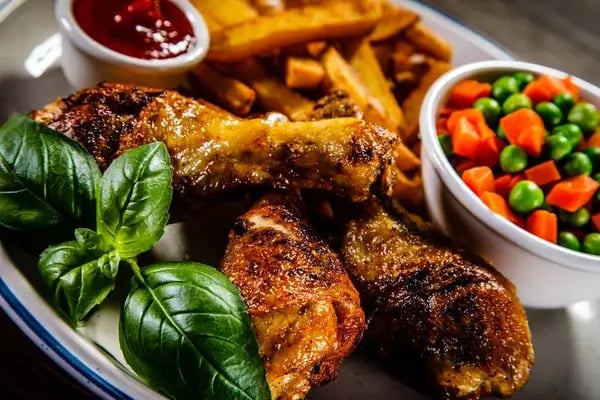
Baked Chicken with Spicy Barbecue Sauce
The Buzz About This Post
- What is baked chicken with spicy honey barbecue sauce?
- Table of Contents
- Chicken Recipe Card
- What ingredients do you need for spicy honey barbecue chicken?
- How do you make chicken with spicy honey barbecue sauce?
- Recipe Testing Notes
- Why is honey used in barbecue sauce?
- How does honey change during baking?
- What type of honey works best for barbecue chicken?
- How does honey compare with brown sugar in barbecue sauce?
- What gives this chicken its flavor?
- Why does this recipe work?
- What internal temperature should baked chicken reach?
- How do you get the best flavor from honey barbecue chicken?
- What are the most common mistakes when making honey barbecue chicken?
- What does spicy honey chicken taste like?
- How should leftover baked chicken be stored?
- Frequently Asked Questions
- Can I use chicken thighs or drumsticks?
- Is this honey barbecue chicken very spicy?
- Can I make the sauce ahead of time?
- Why should the chicken be basted?
- Can I use honey instead of sugar in barbecue sauce?
- What temperature should chicken be when it is done?
- Can I use boneless chicken?
- How many servings does this recipe make?
- What should I serve with honey barbecue chicken?
- Can I freeze leftover honey barbecue chicken?
- Why does mild honey work well in barbecue chicken?
- How often should I baste honey barbecue chicken?
- Sources
- FAQs
Baked Chicken with Spicy Honey Barbecue Sauce
Baked chicken with spicy honey barbecue sauce is a sweet, tangy, savory, and mildly spicy chicken recipe made with honey, ketchup, soy sauce, lemon juice, garlic, onion, herbs, and warm spices.
This version keeps the original honey barbecue flavor but presents the recipe in a clearer, easier-to-follow format. The sauce is blended until smooth, poured over chicken pieces, and baked uncovered at 325°F until the chicken is tender, glazed, and ready to serve.
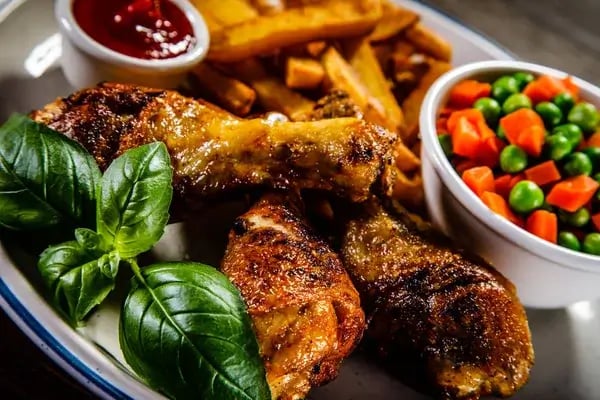
What is baked chicken with spicy honey barbecue sauce?
Chicken with spicy honey barbecue sauce is oven-baked chicken coated in a blended sauce made from ketchup, honey, soy sauce, lemon juice, garlic, onion, cayenne pepper, herbs, and spices. Honey balances the acidity and heat while helping the sauce bake into a glossy glaze.
Chicken Recipe Card
| Recipe Detail | Information |
|---|---|
| Recipe Name | Baked Chicken with Spicy Honey Barbecue Sauce |
| Servings | 6–8 servings |
| Prep Time | 10 minutes |
| Cook Time | 1 hour 30 minutes |
| Total Time | 1 hour 40 minutes |
| Oven Temperature | 325°F |
| Method | Baked uncovered |
| Main Ingredient | Chicken |
| Featured Sweetener | Honey |
| Flavor Profile | Sweet, tangy, savory, mildly spicy |
| Best For | Family dinners, potlucks, Sunday meals, and honey-based recipe collections |
What ingredients do you need for spicy honey barbecue chicken?
This recipe uses chicken pieces and a blender-style honey barbecue sauce. The sauce combines sweet honey, tangy lemon juice, savory soy sauce, tomato-rich ketchup, onion, garlic, and spices.
Chicken
- 2 broiler-fryer chickens, 2 1/2 to 3 pounds each, cut into serving pieces
Spicy Honey Barbecue Sauce
- 1 cup ketchup
- 1 clove garlic
- 1/4 cup soy sauce
- 1 tablespoon paprika
- 2 sprigs parsley
- 1/2 teaspoon ground sage
- 2 teaspoons dry mustard
- 1/2 cup honey
- 1/4 cup lemon juice
- 1 medium onion, chopped
- 1/4 teaspoon cayenne pepper
- 1 tablespoon crushed bay leaves
- 2 teaspoons turmeric
- 1/2 teaspoon dried thyme
How do you make chicken with spicy honey barbecue sauce?
To make baked chicken with spicy honey barbecue sauce, arrange chicken pieces skin side up, blend the sauce ingredients until smooth, pour the sauce over the chicken, and bake uncovered at 325°F for 1 hour and 30 minutes.
- Preheat the oven to 325°F.
- Lightly oil a large baking pan.
- Place the chicken pieces in the pan, skin side up.
- Add ketchup, garlic, soy sauce, paprika, parsley, sage, dry mustard, honey, lemon juice, onion, cayenne pepper, crushed bay leaves, turmeric, and thyme to a blender.
- Blend until the barbecue sauce is smooth.
- Pour the sauce evenly over the chicken pieces.
- Bake uncovered for 1 hour and 30 minutes.
- Baste the chicken several times during baking to build a thicker glaze.
- Check that the chicken has reached a safe internal temperature before serving.
- Serve hot with the extra pan sauce spooned over the chicken.
Recipe Testing Notes
During recipe testing, several small adjustments consistently improved the finished chicken. These notes are included to help home cooks get a thicker glaze, better sauce coverage, and a more balanced honey barbecue flavor.
- Basting every 20 to 30 minutes produced a thicker glaze than basting only once near the end of cooking.
- Allowing the chicken to rest for 5 to 10 minutes before serving helped the juices settle before slicing or serving.
- Using mild wildflower honey created the most balanced flavor profile because it allowed the herbs and spices to remain noticeable.
- Chicken baked in a shallow pan developed a slightly thicker sauce reduction than chicken baked in a deeper casserole dish.
- Keeping the chicken skin side up helped the glaze form on the top of the pieces instead of collecting only in the bottom of the pan.
Why is honey used in barbecue sauce?
Honey is used in barbecue sauce because it adds natural sweetness, balances acidity, helps sauce cling to meat, and supports a glossy baked glaze. In this recipe, honey softens the sharpness of lemon juice, rounds out the saltiness of soy sauce, and balances the cayenne pepper.
Honey in the Sauce
Honey gives the barbecue sauce body and helps it coat the chicken more evenly. Because the sauce is blended, the honey mixes smoothly with the ketchup, lemon juice, soy sauce, and spices.
Honey on the Chicken
As the chicken bakes, the honey helps the sauce reduce into a shiny glaze. Frequent basting layers the sauce over the chicken instead of leaving all the flavor in the bottom of the pan.
How does honey change during baking?
Honey affects both flavor and texture as the chicken bakes. It starts as part of a pourable sauce, then helps the sauce reduce, cling, and glaze the chicken during the final part of baking.
| Baking Stage | What Happens |
|---|---|
| Beginning | Honey blends with the ketchup, lemon juice, and soy sauce to create a smooth coating. |
| Middle | The sauce begins reducing and thickening around the chicken pieces. |
| Final 30 Minutes | Honey helps develop the glossy glaze that forms on the chicken skin. |
| After Resting | The glaze continues to thicken slightly as the chicken cools for several minutes. |
What type of honey works best for barbecue chicken?
Mild honey works best for chicken when you want the herbs, onion, garlic, and spices to remain balanced. A mild wildflower or clover-style honey is a good fit because it adds sweetness without overpowering the savory sauce.
| Honey Type | Best Use in This Recipe |
|---|---|
| Mild wildflower honey | Best all-purpose choice for balanced sweetness and classic barbecue flavor. |
| Clover-style honey | Good for a clean, gentle sweetness that keeps the sauce familiar. |
| Darker honey | Useful when you want a deeper, stronger honey flavor. |
| Very floral honey | Use carefully because floral notes may compete with garlic, onion, and cayenne. |
How does honey compare with brown sugar in barbecue sauce?
Honey and brown sugar both sweeten barbecue sauce, but honey adds moisture and helps create a smooth glaze, while brown sugar adds a deeper molasses-style sweetness.
| Feature | Honey | Brown Sugar |
|---|---|---|
| Texture | Liquid sweetener that blends smoothly | Dry sweetener that must dissolve |
| Flavor | Sweet, floral, and rounded | Sweet with molasses notes |
| Glaze | Creates a glossy coating | Creates a thicker, darker sweetness |
| Best Use | Baked chicken, glazes, marinades | Rubs, thicker sauces, smoky barbecue sauces |
What gives this chicken its flavor?
This recipe balances four major flavor categories: sweet, tangy, savory, and spicy. The sauce works because no single ingredient carries the recipe alone.
| Flavor Component | Main Ingredient | Contribution |
|---|---|---|
| Sweet | Honey | Balances acidity and heat while helping form a glaze. |
| Tangy | Lemon juice | Adds brightness and keeps the sauce from tasting too heavy. |
| Savory | Soy sauce | Adds depth and umami. |
| Spicy | Cayenne pepper | Provides mild lingering heat. |
| Herbal | Sage, parsley, thyme, and bay leaves | Add old-fashioned baked-chicken flavor. |
Why does this recipe work?
This recipe works because each ingredient serves a specific purpose in the sauce. The ketchup creates the body, honey balances the sharp ingredients, soy sauce adds savory depth, and the low oven temperature lets the glaze develop gradually.
- Honey balances the acidity of the lemon juice.
- Soy sauce provides savory depth without requiring a long marinade.
- Ketchup forms the body of the barbecue sauce.
- The 325°F baking temperature allows the glaze to develop gradually.
- Frequent basting layers the sauce onto the chicken instead of leaving all the flavor in the pan.
What internal temperature should baked chicken reach?
Chicken should reach a safe minimum internal temperature of 165°F as measured with a food thermometer. Check the thickest part of the chicken and avoid touching bone with the thermometer probe.
USDA food-safety guidance lists 165°F as the safe minimum internal temperature for poultry. See the USDA safe temperature chart in the sources section below.
How do you get the best flavor from honey barbecue chicken?
The best flavor comes from baking the chicken skin side up, basting often, and allowing the honey sauce to reduce slowly in the oven.
- Place the chicken skin side up so the glaze forms on the top surface.
- Use a large shallow pan so the pieces are not crowded.
- Blend the sauce until smooth so the onion, garlic, herbs, and spices distribute evenly.
- Baste every 20 to 30 minutes for a stronger glaze.
- Use fresh lemon juice if possible for a brighter sauce.
- Let the chicken rest briefly before serving so the juices settle.
What are the most common mistakes when making honey barbecue chicken?
The most common mistakes are overcrowding the pan, skipping basting, and baking at excessively high temperatures. These mistakes can make the sauce thinner, reduce glaze formation, or darken the honey before the chicken is fully cooked.
| Mistake | Why It Matters | Better Method |
|---|---|---|
| Overcrowding the pan | Prevents proper sauce reduction. | Use a large shallow baking pan. |
| Skipping basting | Results in a thinner glaze. | Baste every 20 to 30 minutes. |
| Using very high heat | May darken the honey before the chicken is tender. | Bake at 325°F as directed. |
| Not checking temperature | Can lead to undercooked or overcooked chicken. | Use a food thermometer and check for 165°F. |
| Serving immediately from the oven | The juices and glaze have less time to settle. | Rest the chicken for 5 to 10 minutes. |
What does spicy honey chicken taste like?
Spicy honey barbecue chicken tastes sweet, tangy, savory, herb-forward, and mildly spicy. Honey gives the sauce sweetness, lemon juice adds brightness, soy sauce adds savory depth, cayenne adds gentle heat, and herbs such as sage, parsley, thyme, and bay leaf add an old-fashioned baked-chicken flavor.
How should leftover baked chicken be stored?
Leftover baked chicken should be refrigerated in a covered container and reheated to 165°F before serving again. For best quality, keep the chicken with some of the sauce so it stays moist during reheating.
| Storage Method | Guidance |
|---|---|
| Refrigerator | Store in an airtight container and use within 3 to 4 days. |
| Freezer | Freeze in meal-size portions for best quality. |
| Reheating | Reheat covered with extra sauce until the chicken reaches 165°F. |
| Best Texture | Reheat gently in the oven rather than overheating in the microwave. |
Frequently Asked Questions
Can I use chicken thighs or drumsticks?
Yes. Chicken thighs, drumsticks, breasts, or mixed chicken pieces can be used. Smaller pieces may cook faster, so check doneness with a food thermometer.
Is this honey barbecue chicken very spicy?
No. This recipe is mildly spicy because it uses only 1/4 teaspoon cayenne pepper. Reduce or omit the cayenne for a gentler sauce.
Can I make the sauce ahead of time?
Yes. The sauce can be blended ahead of time and refrigerated until ready to pour over the chicken.
Why should the chicken be basted?
Basting helps the honey barbecue sauce build layers of flavor on the chicken and keeps the surface moist while it bakes.
Can I use honey instead of sugar in barbecue sauce?
Yes. Honey can be used instead of sugar in barbecue sauce. It adds natural sweetness, helps balance acidic and spicy ingredients, and supports a glossy baked glaze.
What temperature should chicken be when it is done?
Chicken should reach a safe minimum internal temperature of 165°F when measured with a food thermometer.
Can I use boneless chicken?
Yes, but boneless chicken usually cooks faster than bone-in pieces. Begin checking the internal temperature earlier to avoid overcooking.
How many servings does this recipe make?
This recipe makes about 6 to 8 servings.
What should I serve with honey barbecue chicken?
This chicken pairs well with roasted potatoes, rice, cornbread, coleslaw, green beans, baked beans, or a simple garden salad.
Can I freeze leftover honey barbecue chicken?
Yes. Freeze cooled chicken with some sauce in airtight containers. Thaw in the refrigerator and reheat to 165°F before serving.
Why does mild honey work well in barbecue chicken?
Mild honey works well because it adds sweetness and glaze without overpowering the garlic, onion, herbs, lemon juice, and cayenne pepper.
How often should I baste honey barbecue chicken?
Basting every 20 to 30 minutes helps build a thicker glaze and keeps more sauce on the chicken during baking.
Sources
FAQs
Can I use chicken thighs or drumsticks?
Yes. Chicken thighs, drumsticks, breasts, or mixed chicken pieces can be used. Smaller pieces may cook faster, so check doneness with a food thermometer.
Is this honey barbecue chicken very spicy?
No. This recipe is mildly spicy because it uses only 1/4 teaspoon cayenne pepper. Reduce or omit the cayenne for a gentler sauce.
Can I make the sauce ahead of time?
Yes. The sauce can be blended ahead of time and refrigerated until ready to pour over the chicken.
Why should the chicken be basted?
Basting helps the honey barbecue sauce build layers of flavor on the chicken and keeps the surface moist while it bakes.
Can I use honey instead of sugar in barbecue sauce?
Yes. Honey can be used instead of sugar in barbecue sauce. It adds natural sweetness, helps balance acidic and spicy ingredients, and supports a glossy baked glaze.
What temperature should chicken be when it is done?
Chicken should reach a safe minimum internal temperature of 165°F when measured with a food thermometer.
Can I use boneless chicken?
Yes, but boneless chicken usually cooks faster than bone-in pieces. Begin checking the internal temperature earlier to avoid overcooking.
How many servings does this recipe make?
This recipe makes about 6 to 8 servings.
What should I serve with honey barbecue chicken?
This chicken pairs well with roasted potatoes, rice, cornbread, coleslaw, green beans, baked beans, or a simple garden salad.
Can I freeze leftover honey barbecue chicken?
Yes. Freeze cooled chicken with some sauce in airtight containers. Thaw in the refrigerator and reheat to 165°F before serving.
Why does mild honey work well in barbecue chicken?
Mild honey works well because it adds sweetness and glaze without overpowering the garlic, onion, herbs, lemon juice, and cayenne pepper.
How often should I baste honey barbecue chicken?
Basting every 20 to 30 minutes helps build a thicker glaze and keeps more sauce on the chicken during baking.