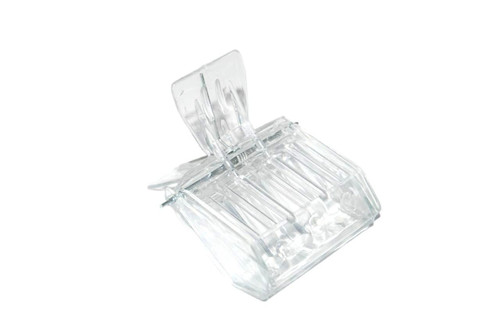


Product Overview
Queen Grafting Tool – Precision Instrument for Queen Rearing & Larvae Transfer
Raise high-quality queen bees with confidence using this Queen Grafting Tool, an essential piece of equipment for beekeepers involved in queen rearing, queen production, and selective breeding programs. Designed to assist with the delicate process of transferring young larvae into queen cell cups, this tool helps improve accuracy, efficiency, and success rates during grafting operations.
Whether you're producing a few replacement queens for your own apiary or operating a larger queen-rearing program, a reliable grafting tool is one of the most important tools in successful queen production.
Featuring a lightweight design, flexible grafting tip, and comfortable handle, this tool helps beekeepers carefully lift and transfer larvae while minimizing stress and damage.
At-A-Glance
✓ Designed for Queen Bee Rearing
✓ Precise Larvae Transfer
✓ Lightweight & Easy to Handle
✓ Flexible Grafting Tip
✓ Suitable for Beginner & Advanced Beekeepers
✓ Helps Improve Grafting Accuracy
✓ Ideal for Queen Cell Production
✓ Compatible with Most Queen Cell Cups
✓ Reusable & Durable
✓ Essential Queen Rearing Equipment
✓ Excellent for Selective Breeding Programs
What Is a Queen Grafting Tool?
A queen grafting tool is a specialized beekeeping instrument used to transfer very young honey bee larvae from worker cells into artificial queen cell cups.
This process, known as grafting, is one of the most common methods used to produce queen bees.
By selecting larvae from desirable colonies, beekeepers can raise queens with preferred traits such as:
-
Gentle temperament
-
Honey production
-
Disease resistance
-
Hygienic behavior
-
Overwintering success
-
Brood production
-
Reduced swarming tendencies
Grafting is the foundation of modern queen rearing programs.
Why Queen Rearing Matters
The queen bee is the most important individual in the colony.
A productive queen influences:
-
Colony population growth
-
Honey production
-
Brood quality
-
Temperament
-
Swarming tendencies
-
Winter survival
-
Overall colony health
Successful queen rearing allows beekeepers to improve genetics while reducing dependence on purchased queens.
How a Queen Grafting Tool Works
During grafting, very young larvae—typically less than 24 hours old—are carefully removed from worker brood cells and transferred into queen cups.
The colony then feeds these selected larvae royal jelly, allowing them to develop into queens rather than workers.
A grafting tool helps:
-
Lift larvae safely
-
Preserve larval integrity
-
Reduce handling damage
-
Improve transfer accuracy
-
Increase graft acceptance rates
Precision during this step is critical to queen-rearing success.
Ideal For
Queen Rearing Operations
Produce queens for your own colonies or commercial sales.
Queen Breeding Programs
Select and propagate desirable genetic traits.
Hobby Beekeepers
Raise replacement queens without purchasing new stock.
Sideliner Apiaries
Increase colony numbers through splits and queen production.
Commercial Beekeepers
Support large-scale queen production and breeding programs.
Beekeeping Education
Excellent for teaching queen-rearing techniques and bee biology.
Why Queen Grafting Is Popular
Although several queen-rearing methods exist, grafting remains one of the most widely used because it allows beekeepers to:
-
Select specific genetics
-
Produce large numbers of queens
-
Standardize queen production
-
Control queen age
-
Improve breeding outcomes
-
Scale production efficiently
Many commercial queen producers rely on grafting as their primary queen-rearing method.
Queen Rearing Equipment Commonly Used With This Tool
A queen grafting tool is often used alongside:
-
Queen cell cups
-
Cell bars
-
Cell builders
-
Queen castles
-
Mating nucs
-
Queen cages
-
Queen marking tools
-
Queen catchers
-
Breeding records
-
Grafting frames
Together, these tools form the foundation of a successful queen-rearing operation.
Tips for Successful Grafting
Use Young Larvae
Select larvae less than 24 hours old whenever possible.
Young larvae generally produce the highest-quality queens.
Maintain Proper Lighting
Good lighting makes it easier to identify appropriately aged larvae.
Work Quickly
Minimize exposure time to prevent larvae from drying out.
Keep Larvae Moist
Protect larvae from direct sunlight and drying conditions.
Practice Technique
Grafting is a skill that improves with repetition and experience.
Even experienced queen breeders continue refining their technique.
Common Queen Rearing Goals
Beekeepers often raise queens to improve:
Honey Production
Strong queens typically support larger populations and higher honey yields.
Hygienic Behavior
Selective breeding can improve disease and mite resistance.
Temperament
Many breeders prioritize calm, manageable colonies.
Overwintering Ability
Strong genetics often contribute to winter survival success.
Swarm Resistance
Some breeding programs focus on reducing excessive swarming behavior.
Understanding Royal Jelly and Queen Development
One of the most fascinating aspects of honey bee biology is that queens and workers begin life as genetically identical larvae.
The difference occurs because future queens receive:
-
Larger quantities of royal jelly
-
Continuous royal jelly feeding
-
Specialized queen-cell development
This unique nutritional pathway allows queens to develop reproductive organs and dramatically different physical characteristics.
Understanding this process is central to successful queen rearing.
Why Queen Quality Matters
A queen can lay thousands of eggs per day during peak season.
The quality of the queen affects:
-
Population growth
-
Honey production
-
Colony longevity
-
Disease resistance
-
Colony temperament
-
Pollination effectiveness
For this reason, many beekeepers consider queen quality the single most important factor in colony performance.
Frequently Asked Questions
What is a queen grafting tool used for?
A queen grafting tool is used to transfer young larvae into queen cell cups during queen rearing.
Is grafting difficult to learn?
Most beekeepers improve quickly with practice. Proper lighting and magnification can help beginners.
What age larvae should be grafted?
Generally, larvae less than 24 hours old produce the best queens.
Can beginner beekeepers learn grafting?
Yes. Many hobby beekeepers successfully raise queens after learning basic grafting techniques.
Why do beekeepers raise their own queens?
Raising queens allows beekeepers to improve genetics, save money, and maintain greater control over colony management.
Does queen quality affect honey production?
Yes. Healthy, productive queens often contribute to stronger colonies and increased honey yields.
About Queen Rearing
Queen rearing is one of the most advanced and rewarding areas of beekeeping.
Successful queen production allows beekeepers to:
-
Improve colony genetics
-
Produce replacement queens
-
Create nucleus colonies
-
Expand apiaries
-
Reduce queen purchase costs
-
Support local bee populations
-
Increase colony productivity
Many of today's most successful beekeepers began by learning simple queen-rearing techniques with basic grafting tools.
Why Buy From Lappe's Bee Supply?
Since 1978, Lappe's Bee Supply has provided beekeepers with equipment, education, and practical resources designed to improve colony health and beekeeping success.
We are committed to building one of the most comprehensive educational resources covering:
-
Queen rearing
-
Honey bee genetics
-
Queen bee biology
-
Beekeeping equipment
-
Colony management
-
Varroa mite control
-
Pollinator education
-
Honey production
-
Advanced beekeeping techniques
Our goal is to help beekeepers at every experience level develop stronger colonies and become more successful through knowledge, quality products, and practical education.
Related Educational Resources
-
How to Raise Queen Bees
-
Queen Rearing for Beginners
-
Understanding Honey Bee Genetics
-
How to Identify Young Larvae
-
Queen Cell Builder Setup Guide
-
Queen Mating Nucleus Management
-
Honey Bee Queen Biology
-
Selective Breeding in Beekeeping
-
Queen Acceptance Factors
-
How Royal Jelly Creates a Queen Bee
-
Queen Marking and Identification
-
Splitting Honey Bee Colonies
-
Building a Queen Rearing Program
-
Common Queen Rearing Mistakes
-
Advanced Beekeeping Techniques