

Product Overview
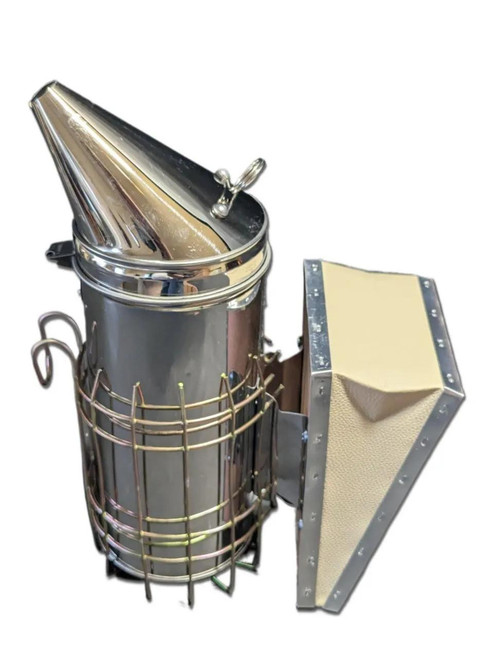
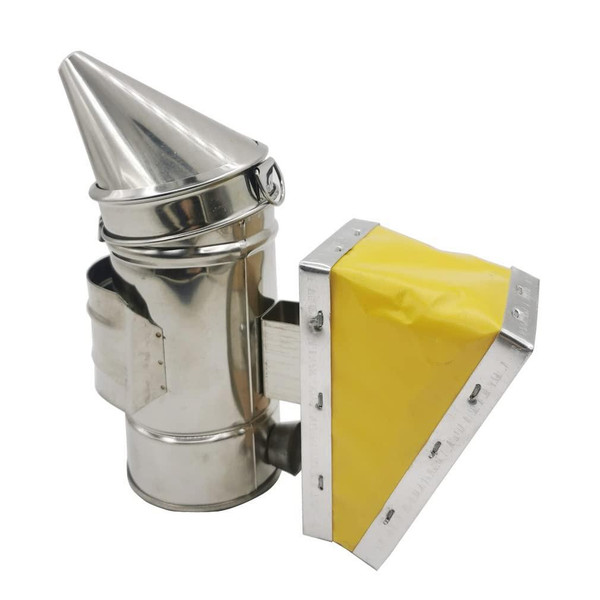
Kids Beekeeping Smoker – Educational Bee Smoker for Young Beekeepers & Beekeeping Demonstrations
Introduce the next generation of beekeepers to the fascinating world of honey bees with this Kids Beekeeping Smoker. Designed as a smaller, educational version of a traditional bee smoker, this tool is ideal for youth beekeeping programs, classroom demonstrations, 4-H projects, beginner beekeeping education, pollinator outreach events, and supervised learning experiences.
Featuring a durable metal smoker body, protective heat shield, and easy-to-operate bellows, this smoker helps young learners understand one of the most important tools used in modern beekeeping.
Whether you're teaching bee biology, demonstrating hive management techniques, or encouraging youth involvement in pollinator conservation, this educational smoker makes a great addition to any beekeeping program.
At-A-Glance
✓ Smaller Educational Beekeeping Smoker
✓ Great for Youth Beekeeping Programs
✓ Ideal for 4-H & FFA Projects
✓ Durable Metal Construction
✓ Traditional Smoker Design
✓ Protective Heat Shield
✓ Easy-to-Operate Bellows
✓ Excellent Teaching Tool
✓ Perfect for Pollinator Education
✓ Great Gift for Young Beekeepers
✓ Supports Hands-On Learning
What Is a Beekeeping Smoker?
A bee smoker is one of the most important tools used during hive inspections.
Beekeepers use cool smoke to help calm honey bees while working inside the colony.
Smoke temporarily disrupts alarm pheromones released by guard bees and encourages bees to focus on honey consumption rather than defensive behavior.
This allows beekeepers to:
- Inspect brood frames
- Check for queens
- Harvest honey
- Monitor colony health
- Perform mite treatments
- Manage hive equipment
Understanding how a smoker works is one of the first skills new beekeepers learn.
Why Use a Kids Beekeeping Smoker?
Youth education is critical to the future of beekeeping.
This smaller smoker helps children and beginning beekeepers become familiar with essential beekeeping tools while learning proper hive management techniques.
Benefits include:
- Hands-on learning opportunities
- Improved understanding of beekeeping equipment
- Increased confidence around hive management
- Educational demonstrations
- Pollinator awareness activities
- Youth engagement in agriculture
For many future beekeepers, learning about smokers is the first step toward becoming a beekeeper.
Perfect For
Youth Beekeeping Programs
Introduce young people to beekeeping fundamentals.
4-H Projects
A valuable educational tool for beekeeping project participants.
FFA Programs
Supports agricultural education and pollinator studies.
Homeschool Education
Provides hands-on learning opportunities for science and agriculture lessons.
Classroom Demonstrations
Helps teachers explain bee behavior and hive management.
Pollinator Events
Excellent for public education and outreach programs.
How Smoke Affects Honey Bees
One of the most common questions new beekeepers ask is:
Why does smoke calm bees?
Honey bees communicate using pheromones.
When a colony feels threatened, guard bees release alarm pheromones that alert other workers to defend the hive.
Smoke helps by:
- Masking alarm pheromones
- Reducing defensive responses
- Encouraging feeding behavior
- Making inspections less stressful
Proper use of smoke can significantly improve hive management while minimizing colony disturbance.
The History of Bee Smokers
Beekeepers have used smoke for centuries.
Before modern smokers were developed, beekeepers used:
- Burning grass
- Pine needles
- Rotten wood
- Natural plant materials
The modern bee smoker was introduced in the late 1800s and revolutionized hive management by providing a safer, more controlled source of smoke.
Today, smokers remain one of the most widely used tools in beekeeping worldwide.
Common Smoker Fuels
Beekeepers often use natural fuels that produce cool, dense smoke.
Popular smoker fuels include:
- Pine needles
- Burlap
- Untreated wood shavings
- Cotton fibers
- Dried leaves
- Smoker pellets
- Natural fuel blends
Different fuels produce varying smoke density, burn time, and aroma.
Educational Benefits of Beekeeping
Beekeeping provides valuable learning opportunities across multiple subjects.
Students can explore:
Biology
Learn about honey bee anatomy, behavior, and colony structure.
Agriculture
Understand pollination and food production.
Environmental Science
Study ecosystems and pollinator conservation.
Business Skills
Learn about honey production and value-added hive products.
Responsibility
Develop animal care and management skills.
Why Youth Beekeeping Matters
Many successful beekeepers began their journey at a young age.
Youth beekeeping programs help:
- Promote pollinator awareness
- Support agricultural education
- Develop environmental stewardship
- Encourage scientific curiosity
- Preserve beekeeping traditions
- Build future beekeeping communities
Introducing children to beekeeping helps ensure a strong future for pollinator conservation and sustainable agriculture.
Beekeeping Safety Tips for Young Learners
Always Work With Adult Supervision
Children should participate in hive activities under the guidance of experienced adults.
Wear Proper Protective Equipment
Protective veils, gloves, and suits help create a safe learning environment.
Move Slowly Around Bees
Calm movements reduce colony stress.
Learn Bee Behavior
Understanding bee communication improves safety and confidence.
Respect Honey Bees
Honey bees are important pollinators and should always be handled responsibly.
Frequently Asked Questions
What is a bee smoker used for?
A bee smoker produces cool smoke that helps calm honey bees during hive inspections.
Is this suitable for youth beekeeping programs?
Yes. This smoker is designed as an educational tool for introducing young people to beekeeping equipment and techniques.
Why do beekeepers use smoke?
Smoke helps mask alarm pheromones and reduces defensive behavior within the colony.
Can this be used for demonstrations?
Absolutely. It is ideal for educational events, classrooms, outreach programs, and beekeeping demonstrations.
What age is appropriate for learning beekeeping?
Many youth programs introduce beekeeping concepts under adult supervision beginning in elementary school and continuing through high school.
Why is pollinator education important?
Pollinators play a critical role in food production, biodiversity, and healthy ecosystems.
About Honey Bee Pollination
Honey bees are among the world's most important pollinators.
They contribute to the pollination of many fruits, vegetables, nuts, and flowering plants.
Pollination supports:
- Food production
- Crop yields
- Biodiversity
- Ecosystem health
- Agricultural sustainability
Educating young people about honey bees helps foster appreciation for the role pollinators play in our environment.
Why Buy From Lappe's Bee Supply?
Since 1978, Lappe's Bee Supply has helped beekeepers of all ages learn, grow, and succeed through quality products and practical education.
We are committed to building one of the most comprehensive educational resources covering:
- Beginning beekeeping
- Youth beekeeping education
- Honey bee biology
- Pollinator conservation
- Hive management
- Honey production
- Beekeeping equipment
- Queen rearing
- Sustainable agriculture
Our goal is to inspire the next generation of beekeepers while providing trusted products and educational resources for beekeepers at every level.
Related Educational Resources
- Beginner Beekeeping Guide
- How to Use a Bee Smoker
- Honey Bee Biology Basics
- Why Honey Bees Make Honey
- Understanding Bee Behavior
- Pollinator Conservation for Beginners
- Youth Beekeeping Programs
- 4-H Beekeeping Project Ideas
- Essential Beekeeping Tools
- How Honey Bees Communicate
- Beekeeping Safety Tips
- Introduction to Hive Inspections
- Honey Bee Colony Structure
- The History of Beekeeping
- Benefits of Pollinators in Agriculture