Welcome to Lappe's Bee Supply's blogs section. We are a trusted beekeeping company in the USA. We give relevant insights, seasonal guidance, and professional advice for beekeepers of all experience levels. From hive management and bee wellness to honey production and equipment guides, we have it all that you will require to thrive. Get updated, motivated, and connected with the beekeeping community through regular news from Lappe's Bee Supply.
The Three Types Of Honey Bees That Make Up The Honey Bee Colony
The Buzz About This Post
- Table of Contents
- Key Takeaways
- What are the three types of honey bees in a colony?
- How do queens, workers, and drones compare?
- What does the queen bee do?
- Why do colonies replace queens?
- What do drone bees do?
- What jobs do worker bees perform?
- What happens when a colony becomes queenless?
- How can beekeepers identify each bee type?
- Frequently Asked Questions
- Sources and Further Reading
- FAQs
What Are the Three Types of Honey Bees in a Hive?
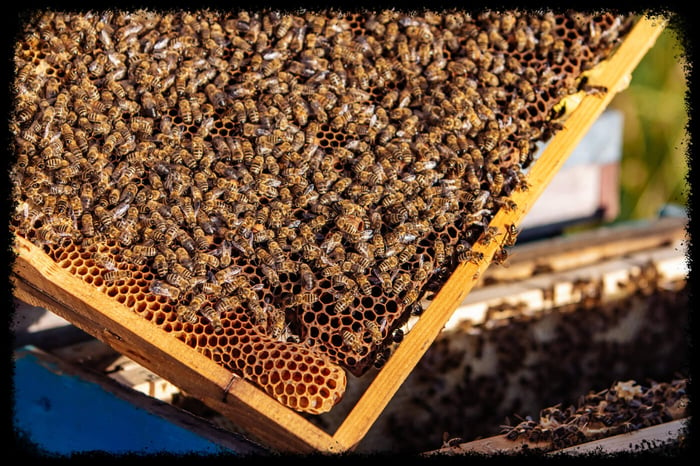
Every healthy honey bee colony depends on three kinds of bees: the queen, the workers, and the drones. Each bee type has a different body structure, purpose, and biological role inside the hive.

Key Takeaways
- A honey bee colony contains one queen, thousands of worker bees, and seasonal drone bees.
- The queen bee is responsible for laying eggs and producing important colony pheromones.
- Worker bees perform nearly all hive labor, including foraging, brood care, comb building, and defense.
- Drone bees are male bees whose primary purpose is mating with virgin queens.
- Colonies raise new queens during swarming, supersedure, or emergency queen loss.
- Worker-laid eggs become drones only because worker bees cannot mate.
What are the three types of honey bees in a colony?
- Queen bees are reproductive females.
- Worker bees are female colony laborers.
- Drone bees are male reproductive bees.
- Each bee type supports colony survival differently.
Honey bees are social insects that survive by living together as a colony. A healthy colony contains one queen bee, thousands of worker bees, and a smaller number of drones during the reproductive season. Each bee type has a specialized biological role. The queen lays eggs, workers perform nearly all hive labor, and drones mate with virgin queens. Together, these roles allow the colony to reproduce, store food, raise brood, and survive changing seasons.
How do queens, workers, and drones compare?
| Bee Type | Sex | Main Role | Key Traits | Can Sting? |
|---|---|---|---|---|
| Queen Bee | Female | Lays eggs and regulates colony pheromones. | Long abdomen, smooth body, attended by workers. | Yes |
| Worker Bee | Female | Performs hive labor and foraging. | Pollen baskets, wax glands, barbed stinger. | Yes |
| Drone Bee | Male | Mates with virgin queens. | Large eyes, thick body, no stinger. | No |
What does the queen bee do?

- The queen is the primary egg layer in the colony.
- Queens can lay fertilized and unfertilized eggs.
- Queen pheromones help maintain colony structure.
- Most healthy colonies contain one active queen.
The queen bee is the reproductive center of the hive. After mating with drones, she stores sperm and uses it to produce fertilized worker eggs or unfertilized drone eggs. A productive queen supports strong brood production during spring and summer buildup.
Queen pheromones also help workers recognize the colony’s reproductive status and coordinate behavior. Even though the queen is biologically essential, she relies entirely on worker bees for feeding, grooming, and daily care.
Why do colonies replace queens?

- Swarming occurs when colonies become crowded.
- Supersedure replaces weak or aging queens.
- Emergency queens are raised after queen loss.
- Virgin queens may destroy competing queens.
Colonies naturally replace queens for several biological reasons. Swarming occurs when a strong colony becomes crowded and prepares to reproduce by dividing into multiple colonies. Supersedure happens when workers determine that the queen is aging, poorly mated, injured, or failing.
Emergency queen replacement occurs when the queen suddenly disappears or dies. Workers select very young female larvae and feed them a queen-development diet so replacement queens can develop.

What do drone bees do?

- Drones develop from unfertilized eggs.
- Drones do not sting.
- Drones do not forage or build comb.
- Workers often remove drones before winter.
Drone bees are the male members of a honey bee colony. Their primary biological purpose is mating with virgin queens from other colonies. Drones have large eyes that help them locate queens during mating flights.
Drones do not possess pollen baskets, wax glands, or stingers. During periods of nectar shortage or before winter, workers often force drones out of the hive to conserve food stores.
What jobs do worker bees perform?

- Worker bees are female bees.
- Young workers usually perform indoor hive tasks.
- Older workers become guards and foragers.
- Workers collect nectar, pollen, water, and propolis.
Worker bees perform nearly all daily colony labor. Young workers clean cells, feed larvae, care for the queen, repair comb, process nectar, and maintain brood temperature. As workers age, they transition into guarding and foraging duties outside the hive.
Foragers collect nectar, pollen, water, and propolis depending on colony needs. Workers also fan their wings to evaporate moisture from nectar and help regulate internal hive temperature.
What happens when a colony becomes queenless?

- Laying workers produce unfertilized eggs only.
- Unfertilized eggs develop into drones.
- Multiple eggs per cell may indicate laying workers.
- Queenless colonies decline without correction.
If a colony loses its queen and cannot successfully raise another, some worker bees may begin laying eggs. Since workers cannot mate, these eggs remain unfertilized and develop only into drones.
A beekeeper may notice multiple eggs inside individual cells or scattered drone brood patterns. Without a healthy laying queen, the colony eventually loses its worker population and weakens beyond recovery.
How can beekeepers identify each bee type?

- Queens have elongated abdomens.
- Workers possess pollen baskets and wax glands.
- Drones have large eyes and thicker bodies.
- Drones do not have stingers.
Queens are typically longer than workers and have a more elongated abdomen designed for egg laying. Worker bees are smaller and equipped with structures needed for hive labor, including pollen baskets and wax glands.
Drones are broader-bodied males with noticeably larger eyes adapted for locating queens during mating flights. Recognizing these differences helps beekeepers inspect colonies more efficiently.

Frequently Asked Questions
How many queen bees are normally in a hive?
Most healthy honey bee colonies contain one active queen at a time.
Can drone bees sting?
No. Drone bees do not possess stingers and cannot defend the hive.
Are worker bees male or female?
Worker bees are female bees that perform nearly all colony labor.
Why do colonies swarm?
Swarming is a natural reproductive process that usually occurs when colonies become crowded and strong.
What is supersedure?
Supersedure is the natural replacement of an aging or failing queen.
What are laying workers?
Laying workers are worker bees that begin laying unfertilized eggs after prolonged queen loss.
Sources and Further Reading
- The Colony and Its Organization — MAAREC
- An Introduction to Queen Honey Bee Development — Penn State Extension
- Honey Bee Colony Life — Arizona State University
- The Hive and the Honey Bee — Dadant & Sons
- Honey Bee Biology and Beekeeping — Dewey M. Caron
FAQs
How many queen bees are normally in a hive?
Most healthy honey bee colonies contain one active queen at a time.
Can drone bees sting?
No. Drone bees do not possess stingers and cannot defend the hive.
Are worker bees male or female?
Worker bees are female bees that perform nearly all colony labor inside and outside the hive.
Why do honey bee colonies swarm?
Swarming is a natural reproductive process that usually occurs when colonies become crowded and strong.
What is supersedure in honey bees?
Supersedure is the natural replacement of an aging, poorly performing, or failing queen bee.
What are laying workers?
Laying workers are worker bees that begin laying unfertilized eggs after prolonged queen loss.
What do drone bees do?
Drone bees primarily mate with virgin queens during seasonal mating flights.
How can beekeepers identify the queen bee?
Queens usually have a longer abdomen, smoother body shape, and are often surrounded by attending worker bees.
Why do worker bees remove drones before winter?
Workers remove drones before winter to conserve honey stores because drones do not forage or support winter survival.
Can a worker bee become a queen?
A worker larva can become a queen only if it is fed a special queen-development diet during early development.
What happens if a queen does not mate successfully?
Poorly mated queens may lay mostly drone eggs, which weakens colony growth and long-term survival.
How many eggs can a queen bee lay?
A strong queen may lay up to 1,500 eggs per day during peak spring and summer brood production.
Why are drones larger than worker bees?
Drones have larger bodies and oversized eyes that help them locate queens during mating flights.
How do worker bees communicate danger?
Worker bees release alarm pheromones that alert nearby bees to defend the hive entrance.